Category: Therapy

  • Hymn of the Big Wheel

    Hymn of the Big Wheel

      Therapy
    Therapy

    My home town of Bristol boasts a psychedelic ‘amazement’ park and therapy clinics. How did that happen?
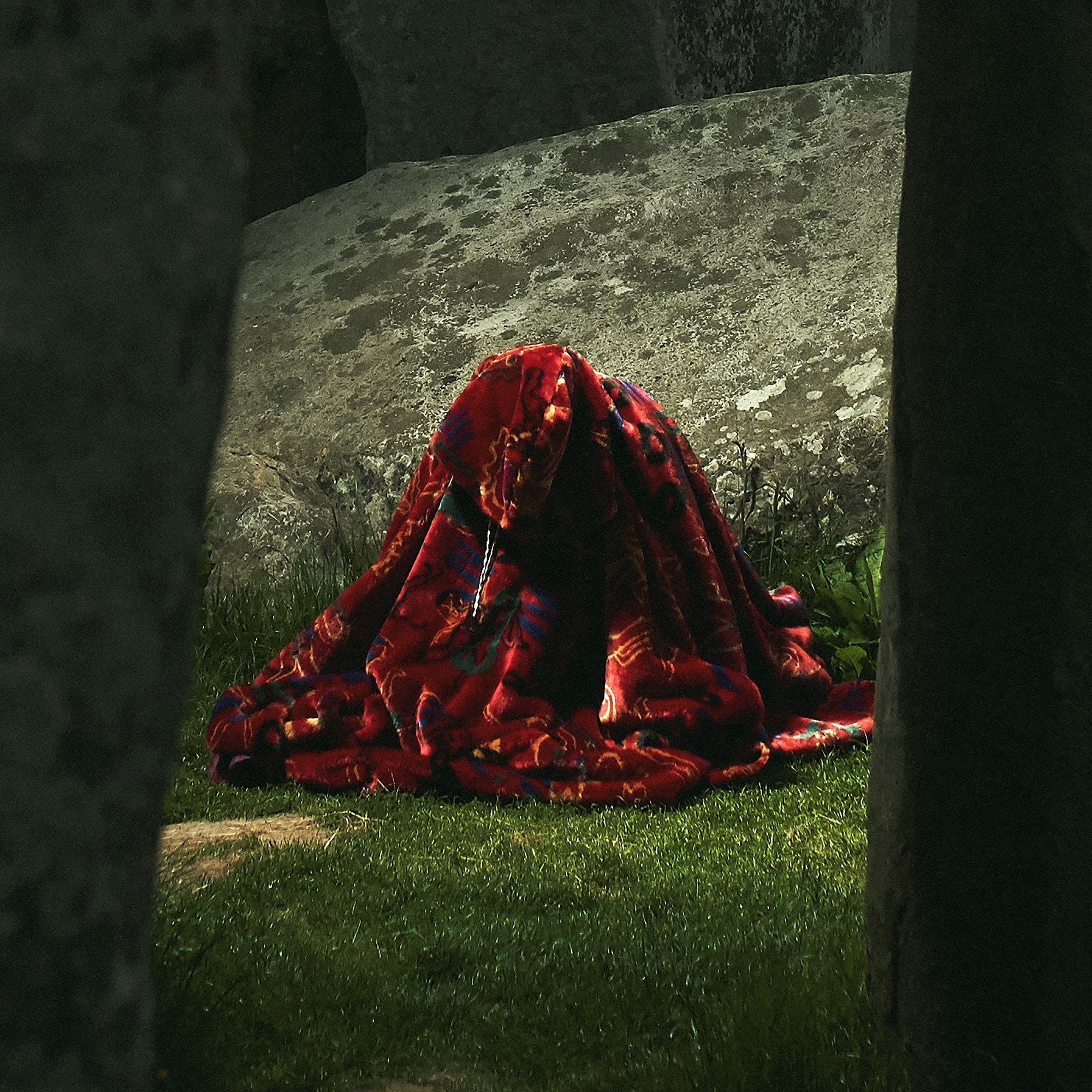
      Jeremy Deller, ‘Wiltshire Before Christ’ photo by    David Sims for Aires Arise
    Jeremy Deller, ‘Wiltshire Before Christ’ photo by David Sims for Aires Arise

    “Bristol is the San Francisco of Britain” declares Dr Ben Sessa of my home town where Awakn Life Sciences is based.

    How? Not only with Britain’s first psychedelic clinic – accessible without a referral – but also the world’s first immersive psychedelic ‘amazement park’. Bristol is making up ground, perhaps, for its heritage in tobacco and slavery.

    The clinic is the first branch of Awakn Life Sciences, opening also in London (opposite Euston Station) fronted by Psychedelic Renaissance author Dr Ben Sessa and addiction treatment icon Dr Celia Morgan. As of earlier in 2022, AWAKN’s main investor is the UK government. 

    Wake the Tiger is the name of the day trip destination. A lockdown brainstorm from festival innovators Boomtown, it is actually named after Peter Levine’s trauma tome Waking the Tiger. Creative director Lak Mitchell’s wife is a shadow-specialising psychotherapist, and suggested it. Wake the Tiger’s backdrop narrative offers a journey to an alternative dimension where all the unwanted clutter of consumer culture ends up; the sequence begins with a luxury living development where the only thing really living is a tree in the lobby.
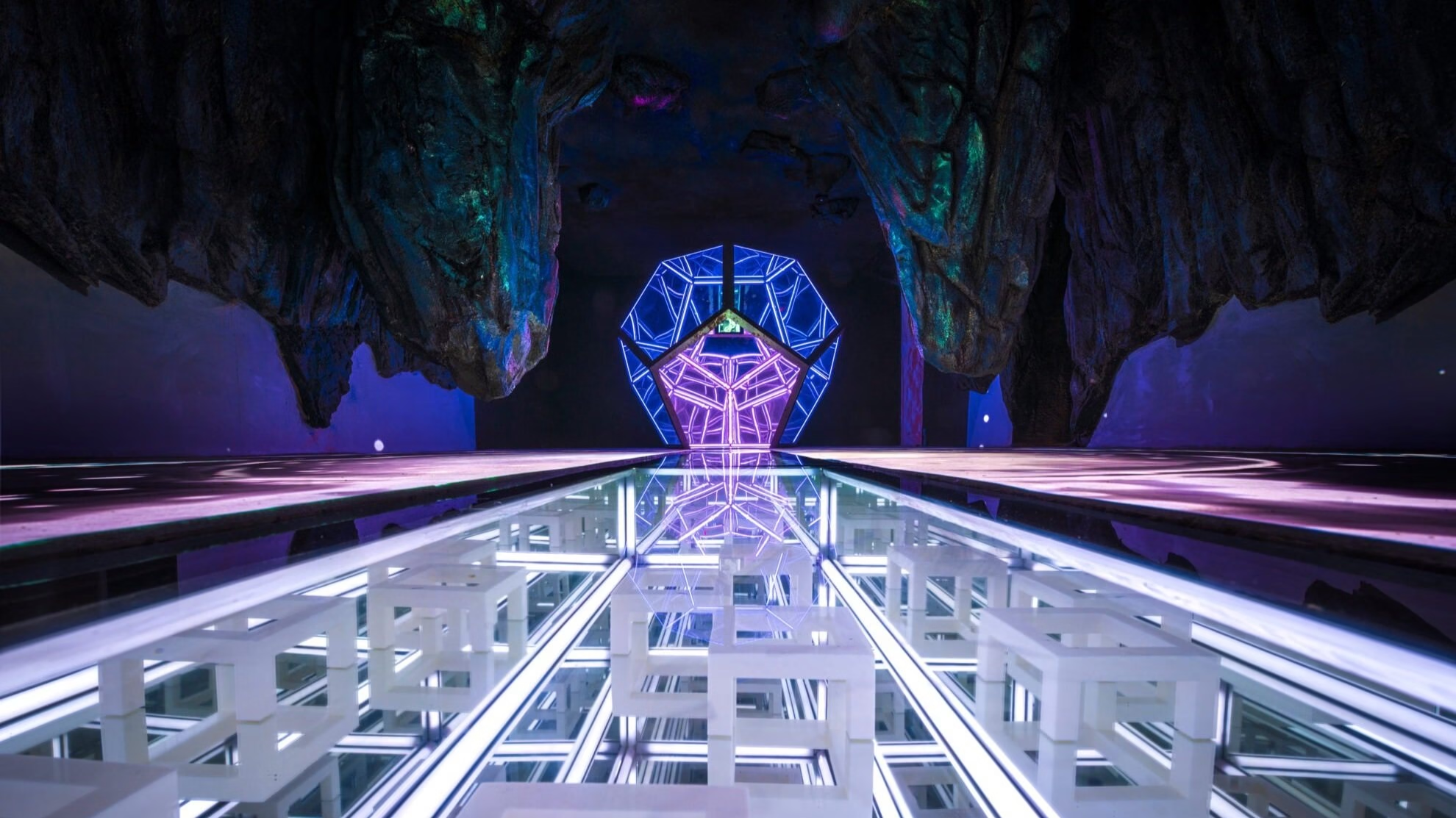
        Wake the Tiger      in Bristol, the world’s first psychedelic ‘amazement park’
    Wake the Tiger in Bristol, the world’s first psychedelic ‘amazement park’

    Stu Tallis who sorted the branding at Taxi Studio, told the website Business Leader, “It pushes the boundaries of imagination and represents the truly unique and fantastical experience that fuses ancient wisdom and creativity… it needed to be scalable to accommodate the possibility of replicating the experience across the country and becoming a multiverse. It is a category-defining moment representing a sea change in how immersive art experiences are created.” 

    Opening in late July 2022, Wake the Tiger received £1.85 million in crowdfunding. Reviews are gushing, from those microdosing or otherwise. Kids get in free. They don’t know they’re born. Dropping a Purple Ohm to watch Bristol City lose at home to Swindon (by four goals) was all that we had in my day.

    “Wake the Tiger is a unique and fantastical experience that fuses ancient wisdom and creativity”

    Bang in the middle of the upmarket Clifton district is AWAKN’s Bristol ketamine clinic. The Times dispatched its most simultaneously verbose and glib columnist, David ‘Fatty’ Arranovitch to check it out. Unlike more intrepid reporters (hem-hem), he did not try it out. Although he does end the piece by pointing out the potential for psychedelic treatment of obesity, after beginning by complaining about the walk up Constitution Hill that I and my chums made to school most mornings, while daydreaming of the next time we could obliterate the pain of a rigid, parentified upbringing in service to the slave morality. Sorry, flashbacked and regressed a bit there.
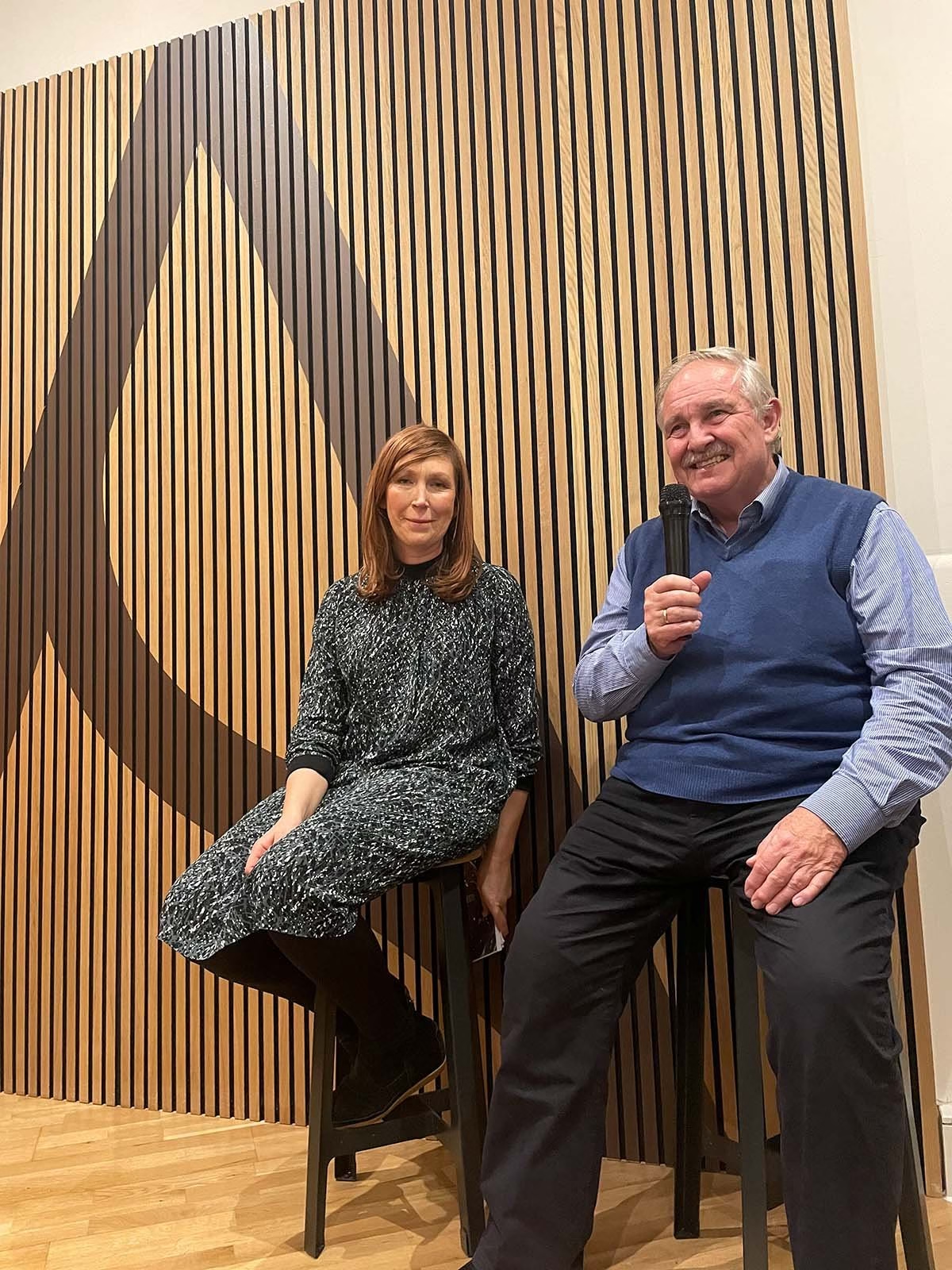
       Professors David Nutt and Celia Morgan, who form the Awakn dream team with Dr Ben Sessa
    Professors David Nutt and Celia Morgan, who form the Awakn dream team with Dr Ben Sessa

    Anyway, another AWAKN is planned for Manchester later this year while Oslo in Norway was the first AWAKN to open. AWAKN’s chief advisor is Professor David Nutt, a national treasure since he was sacked as the government’s drug policy advisor for saying LSD (and ecstasy, and cannabis) was less harmful an intoxicathan alcohol on daytime TV. Dr Sessa, who Vital students will hear from in Week 13, I believe is the most forthright and refreshing middle-aged man in the psychedelic space internationally right now. 

    AWAKN’s special sauce though is arguably provided by Celia Morgan. The fabulously clever redhead is also Exeter Uni’s head of psychopharmacology, and inspires fervent adoration from her Phd students. The National Institute for Health and Care Research (NIHR) are funding two-thirds of the costs for her alcohol use disorder treatment programme with the very British name of ‘Project Kestrel’, although KARE was used instead once the bureaucrats got their hands on it.

    Professor Morgan appeared in Business Insider’s list of the most important women in psychedelics earlier this year. Devising the first official cure for alcoholism, though would assure her a place in medical history. There are no flies on Morgan, who has discussed the dangers of chronic recreational ketamine use on BBC Woman’s Hour – “I’ve met teenagers who have to wear catheters,” is her conversation-stopper.

    Professor Morgan has even adapted psychedelic therapy for both the addiction and ketamine aspects of Project K: “We designed it to go with the ketamine effects,” she told The Guardian newspaper in its own report, “We wanted something evidence based, a therapy that has been shown to help people avoid alcoholic relapse. But also something that would work with what we know about the brain in the ketamine state.”

    Morgan embarked on Project Kestrel as a final year student at once-mighty University College London (which is about to open its own psychedelic mega-department headed up by the highly plausible Rosalind McAlpine). She pulled together strands of her friend’s experiences of recreational ketamine use with her family’s of addiction, and laid the foundations of an approach that could wrest thousands of sufferers and those close them from the living hell of alcoholism. Plus cut the £5.5 billion the UK loses to the condition every year. Morgan’s test subjects stayed clean 87% of the time after six months, compared to a measly 2% beforehand.

    Many have pointed out that it could be the therapy itself that’s making the difference, provided at very high quality in the trials for free, just like in the depression trials. (That this is not your regular psychoanalytic therapy is a matter for another time, although props to Arranovitch for quoting a patient as saying “it was more about the boozing than my mother”). 

    Only 8% of addicts ever seek treatment as it is, due to stigma or the way they’re not guzzling miniature brandies on the commute like a TV stereotype. It’s this ‘not quite in crisis, yet’ group who suffer too and are arguably more motivated to seek treatment should it be available without a CV-staining, divorce-prompting  diagnosis. Dr Sessa too stresses that childhood trauma isn’t usually born of what we know as ‘abuse’ – corporal and cruel punishments – and instead is a feature of many material-focussed western upbringings.

    “We wanted evidence based therapy shown to help people avoid alcoholic relapse, plus work with the ketamine state”

    Dr Sessa is a soundbite slinger, which I as a journalist appreciate. “Bristol is the San Francisco of Britain” is one of his best shots, and he’s done a lot to catalyse that.

    ‘There is only one good use for a small town. You hate it and you know you’ll have to leave,’ sings Lou Reed on the opening track of Songs for Drella, his and John Cage’s 1990 concept album dedicated to Andy Warhol.

    I left my own home town of Bristol for university in 1992, aged 18. Since, it has realised its media image as a Mecca of skateboarding, street art and… intentional drug taking (plus plasticine animation, as local artist Banksy rarely misses the opportunity to point out). And in the past six months, Bristol has even superseded modern-era triumphs such as the aforementioned world’s favourite artist’s Dismaland exhibition, in the admittedly dismal Weston Super-Mare, a former holiday resort notorious for its quicksand beaches. 

    But I remember my home town for its repression, casual violence, and nihilistic ennui, caused mostly by traumas and addictions that while ‘low-level’, eat away at the soul and body nonetheless. And it’s partly because they will never be seen as a source of necessary concern; we change only when we have to. If the West of England is coming unstuck from those behaviours, then I shall never slag it off again. I might even go to Wake the Tiger. 
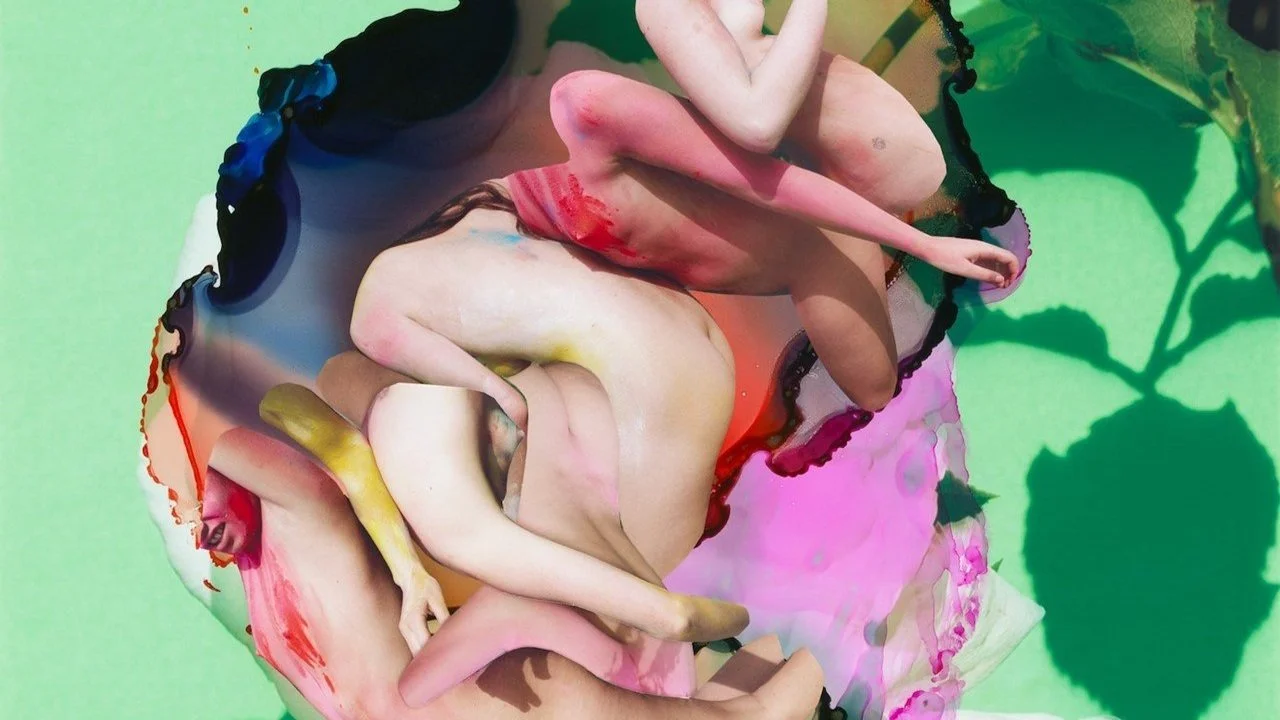
  • Re-Story-Ation

    Re-Story-Ation

      Therapy
    Therapy

    Ancient principles for living encourage a wondrous view of the world. Is this the ‘re-enchantment’ with life we need?

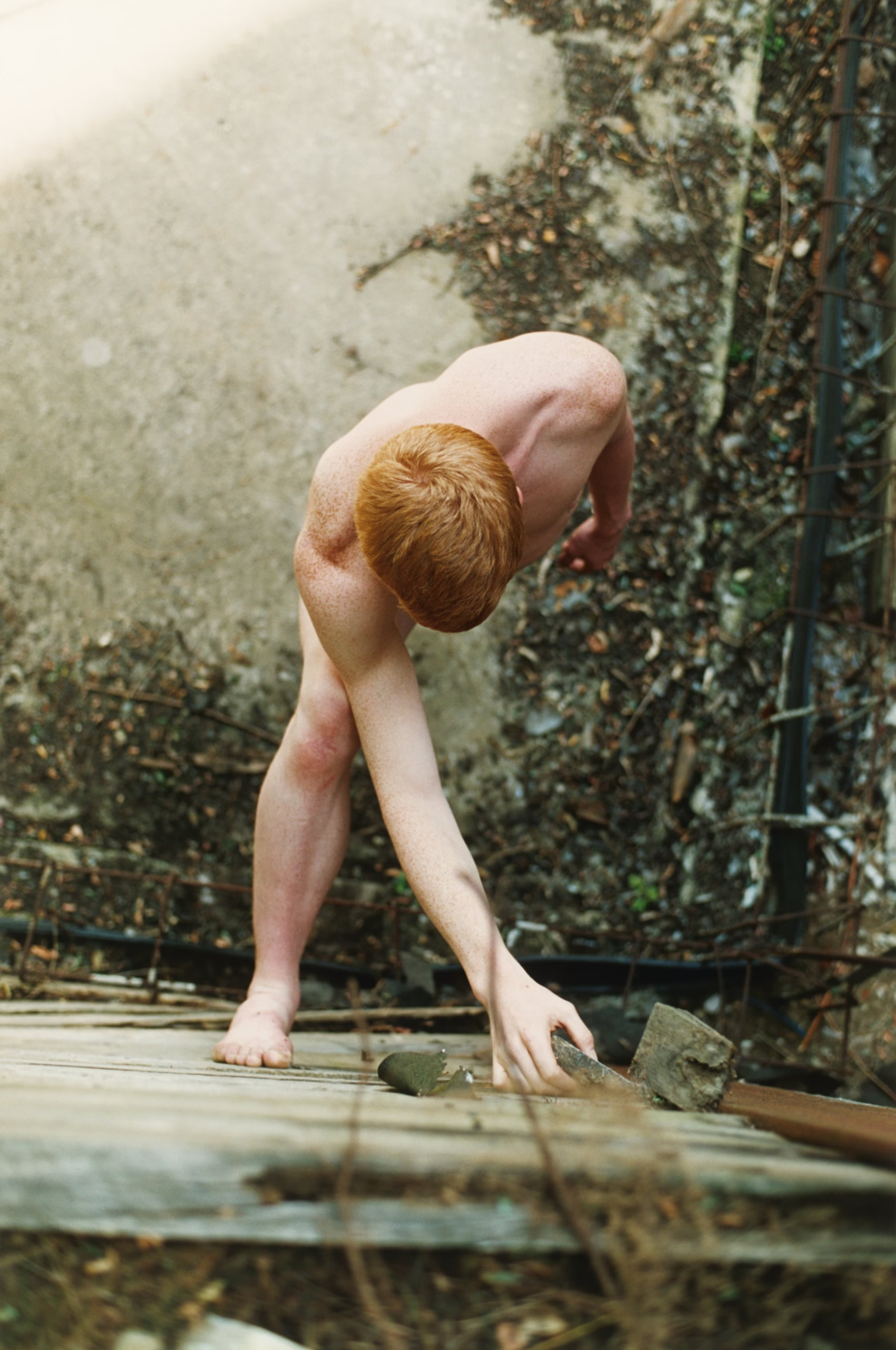
       From Modern Alchemy, photographs by Viviane Sassen,    available from by JBE Books
    From Modern Alchemy, photographs by Viviane Sassen, available from by JBE Books

    Rainforests gave the West spectacular medicines for the body. Could their way of life provide healing for the mind too?

    Half of all pharmacological medicines are derived from plants, including recent innovations, and 25% come from global rainforest. Curare, the muscle relaxant Amazonian tribes used to stun animals, prompted a revolution in anaesthetics and modern medicine. Quinine was the first cure for malaria. Vincristine and Vinblastine from Madagascar, used the treat cancers, have vastly extended the chance of surviving childhood leukemia.

    Now, thousands flock to ayahuasca retreats to balm their souls. But passionate field researchers both young and old claim the lifestyle and ideology around the medicine is essential to redemption.

    “Our profound alienation is a consequence of turning relationships into things”

    Washington-based Joseph Mays, wields a master’s in ethnobotany from the University of Kent – a likely hotbed of radical thought – after observing responses to globalisation from the Yanesha in central Peru. He’s published a smart medicinal plant guide for the Jama-Coaque Ecological Reserve and works as the program director of Chacruna’s arse-kicking Indigenous Reciprocity Initiative (IRI).

       From Modern Alchemy, photographs by Viviane Sassen,    available from by JBE Books
    From Modern Alchemy, photographs by Viviane Sassen, available from by JBE Books

    Mays cracked his bonus Vital lecture off by quoting Karl Marx like a boss.

    “Marx spoke about the ‘metabolic rift’, man’s alienation from nature,” says the scholar and activist, “We are now in ‘The Anthropocene Epoch’.”

    That’s the conceptual geological era we’re living in now. The official one’s the Holocene. The Anthropocene represents a time man begins to have geological impact upon the Earth, roughly marked by the detonation of the first atomic bomb.

    “We should think of our bodies with alchemy in mind”

    Ernst Junger warily observed the march of technology throughout the 20th century. He wrote that it was best explained by the senseless, arbitrary nature of the First World War. Not only in the power new weapons had to slaughter hundreds in a moment, but the absence of any serious evaluation of why it was happening.

    Junger considered the endemic, fatalistic nihilism he witnessed in the trenches, and in the commuter era that followed it, “a new, terrible practice” and spoke of “the loneliness of man in a new, unexplored world, whose steely law will be felt as meaningless.”

    Vincent Blok, in his acclaimed Ernst Junger’s Philosophy of Technology writes that our enlightenment values of ‘“Reason and humanity, of morality and individual freedom” count for nothing now they are wedged within the indefatigable gears of… The Anthropocene.

    “The resources of our inner and outer worlds are inseparable”

    Mays quotes feted Brazilian anthropologist, Cambridge lecturer and writer of Cannibal Physics Eduardo Viveiros de Castro, who writes that our profound alienation is a consequence of “turning relationships into things” and “perceiving life as a collection of detached objects.”

    The animistic view though is “inherently subjectifying” in contrast to the objectified modern era. It also stands alongside our own subjective spiritual beliefs, working as a system to integrate Earth and consciousness.

    “We are now in The Anthropocene Epoch”

    Breaking the dichotomies – mind-body, mankind-Earth, civilisation-environment – can also free us from our alienation. Our energy spent on tweaking existing problems could go into designing alternatives. “Maybe we should think of our bodies with alchemy in mind, and imagine many other compositions or assemblages,” says The Life of Plants writer Emanuele Coccia in his introduction to Modern Alchemy, a new series of photographs by Viviane Sassen published by JBE Books, photos from which you see here.

       From Modern Alchemy, photographs by Viviane Sassen,    available from JBE Books
    From Modern Alchemy, photographs by Viviane Sassen, available from JBE Books

    Learning on the job develops a deeper relationship with the non-human elements of vocation and personal growth. Individual responsibility and local ‘bottom up’ development puts ownership for our immediate experience in our own hands, away from the distraction of political infighting.

    Communities are marginalised in a similar manner to the environment. Energy is better spent providing a container for them to address their “own needs, and their own priorities in a self-directed manner from the ground up” as a forest would. Or like Somerset UK’s Frome Model of Compassionate Primary Care that has slashed hospital admissions by 40% over a decade, which you can read about in this issue’s Medical section.

    “Biological and cultural diversity are inextricably linked,” says Mays, “And the culture of plants and communities are inter-dependent. The resources of our inner and outer worlds are inseparable.”

  • This may hurt a little…

    This may hurt a little…

      Therapy
    Therapy

    Constant reflection and tireless self-work are essential to handle the rigours of psychedelic therapy

          Paul Smith   , ‘Awaken’ via    here   .
    Paul Smith , ‘Awaken’ via here .

    “Doubt is core to the psychedelic movement,” says Dr Strassman, “We question authority, we question belief.”

    The top-flight ego dissolver leaves no current controversy unexamined in his Vital lecture on contemporary research, evoking the hard truths of psychedelic experience.

    The fearless researcher starts by probing the supposed mental health revolution. “I don’t think these miraculous cures are going stick,” he warns, “The figures are good, but there’s an open question abut regularity. With ketamine it looks like you’re having to come in every week. Psilocybin looks like every month or so. People ‘come down’ and revert to the old patterns.”

    He’s most keen to impart the value of self-examination and ‘shadow work’; on behalf of the therapists themselves. “Consider your own prejudices. Take what you believe to be ‘right’ and and be very careful not to project it,” he warns.

    “There’s been a suicide in testing. One subject was so disappointed he didn’t have one of these ‘life-changing mystical experiences’.”

    Dr Strassman is an ordained key buddhist priest and a student of Hebrew mysticism who’s developing a way to communicate with entities using conversational models inspired by the prophets of the Old Testament. But he’s not sold on the ‘mystical experience’ allegedly key to healing.

    “I think if we left it secular we’d be better off,” he says, “the scientific plane can coexist. There’s been a suicide in testing because one subject was so disappointed he didn’t have one of these ‘life-changing mystical experiences’. Part of the setting should be not to have it as a goal.”

    This actually echoes Stan Grof, who in LSD Psychotherapy refers to Einstein’s ‘cosmic consciousness’ that can be considered universal, practical and even scientific. Therapists should allow ‘a symbolic framework that is emerging spontaneously from the subject’s collective unconscious, and is the most appropriate form for their spiritual experience.’

    “If this is a simulation, there’s still cause and effect. You do things, think things, they have repercussions”

    Dr Strassman’s standpoint extends to arguments from the religious use movement. “There’s a movement to you relabel these compounds divine, or specifically ‘generating God from within’. That assumes a lot: first of all, that there is a spiritual level of existence, specifically God, and that’s within us, you know, which is questionable. That a drug can generate divinity, or a real religious experience, I don’t think is an established fact.”

    Humans are capable of transcendence without a particular faith, says Strassman: “My colleague Daniel Freidman used to talk about the ‘portentous’ moments – the feeling that what you’re seeing is the most significant thing you’ve ever undergone. That can be truly meaningful even without religious belief.”

    Even once the more fantastical effects of the treatment have worn off, “it will still strengthen aspects like ‘vocational efficacy’, one’s sense of self.”

    Strassman prefers ‘unitive experience’ to the ‘spiritual’ term, and reminds “there are plenty of ways to achieve a mystical experience without drugs, in particular traditions for example.” [EG tantra, or alchemy].

    “Doubt is core to the psychedelic movement. We question authority, we question belief”

    Plus he advises sensitivity with any spiritual props in the treatment room. A multi-faith approach might work for the irreligious but some communities can be actively triggered by some psychedelic tropes: “a lot of the official music is Wagner, which the Nazis played to jews arriving at the concentration camps. Imagine you’re a jew presenting with generational trauma and hearing that as you’re coming up. Or lots of christians believe Buddhism is idolatry and paganism. If a christian opens their eyes and the first thing they see is a buddha… it may be cool, it may not be.”

    Challenging experiences is a term he’s equally wary of: “Challenging ‘reactions’ is possibly less onerous.”

    With Strassman it all comes down to results. Asked where he stands on Anil Seth’s simulation theory, he replies “If this is a simulation, there’s still cause and effect. You do things, think things, they have repercussions.  I don’t think we need to spend a lot of time figuring that one out.”

    Tremendously more important, he says is that “We make ourselves better people and the world a better place. If psychedelics can contribute to that, more power to them.”

    The Strass is so promethean that he debunks his own landmark hypotheses. Like the one about DMT originating from the pineal gland AKA ‘third eye’ in mystic circles.

    “I don’t think it’s as important as it was when I put it out,” he harrumphs, “I write a wild-eyed but scientific article about the pineal gland in 1991. The group in Ann Arbor picked up on that 12 years later, and produced the study in the living rodent pineal gland. Now a 2019 report thinks the 2013 data was the result of the probe going through the brain into the pineal snagged brain tissue, not pineal tissue… What’s much more interesting is the brain makes DMT – in very high quantities.”

    How will the stark nature of psychedelic science play out within our comically dysfunctional human condition?

    Turning to tragedy, ‘Kill the physician and the fee bestow upon thy foul disease’ says the Earl of Kent to King Lear in act one of Shakespeare’s masterwork. Lear has disowned his loving but frankly-spoken daughter, after her honest efforts to protect him from hubris; the complacent monarch is suffering from a ‘disease of the ego’ according to Shakespeare buffs. 

  • Become one with your Moomin cup…

    Become one with your Moomin cup…

      Therapy
    Therapy

    Can psychedelic philosophy explain our innate sense of the cosmic whole?

       By Wolfgang Tillmans from    Fragile, showing at Art Twenty OneEko Hotel and Centre for Contemporary Art, Yaba, Lagos, Nigeria till 10 July 2022
    By Wolfgang Tillmans from Fragile, showing at Art Twenty OneEko Hotel and Centre for Contemporary Art, Yaba, Lagos, Nigeria till 10 July 2022

    Psychedelic philosopher par eminence Dr Peter Sjöstedt-Hughes pictures a new breed of consciousness doctors to work alongside clinicians and therapists.

    “The metaphysician will see you now,” he jests about his notion of a service combining thinker, spiritual advisor and life coach.

    Spinoza, Alfred North Whitehead, Charles Darwin, and Albert Einstein all agreed nature was ‘God’,” says Dr Sjöstedt-Hughes, “and it doesn’t love you.”

    God is still all around. Like never before; ‘pansychism’ is the term for consciousness in all things. Like philosopher Jussi Jylkkä half-jests in this recent video interview with Sjöstedt-Hughes for The Philosopher, “So… I become one with my Moomin cup?”

    Before you marvel, “My ashtray is alive?” the consciousness operates at an atomic level, obvs. But, it’s still an ashtray. Keep up.

    “You should be doubting all the things you doubted before; you are uncertain about being certain”

    Psi-Phi, ‘philosophy of psychedelics’ presents an academic argument for the significance and benefit of psychedelic drugs. A sub-school of ‘psychedelic metaphysics’ explores belief structures like panpsychism. Legitimisation and education of reality-organising frameworks might aid mental health, like the personal ‘higher power’ 12-steppers are urged to take guidance from.

    “The hardest thing to see is what is in front of your eyes,” wrote Johann Goethe. And the psychedelic philosophy material is dense. My clumsy, infant sense of the subject is tempted to conclude that philosophy is to psychology what Lego Technic is to Duplo; it’s been debating the stuff YouTubers think they’ve just discovered for 500 years. Arguably, 5000.

    Psychedelic philosophy’s nemesis is the comforting delusion.

    “Is psychedelic therapy,” in Charles Grob’s phrase, an “existential medicine?”

    Or is it, as Michael Pollan wondered, “Simply foisting a comforting delusion on the sick and dying”?’

    Chris Letheby addresses the ‘Aren’t you just taking acid?’ question in this article for MAPS. Letheby also cites Danish wellbeing guru, former special forces operator Nikolai Moltke-Left and his doctrine of “unbinding self” that echoes psychedelics, and how popular he is with the chattering classes (Moltke-Left is collaborating with Lego, sync).

    And anyway, Aiden Lyon reckons “You should be doubting all the things you doubted before; you are uncertain about being certain,” so that’s that.

    It’s all quite radical in places. Psychedelics have a habit of flipping over sacred cows. This wannabe trickster never tires of reminding the psi-phi lads that most of their favourite philosophers met with sticky ends at the hands of the mob: “Often I have the impression that I am writing on paper already browning in the licks of the flames,” mulled Ernst Junger, coiner of the term psychonaut. Who actually lived till 102 years of age.

  • Mysteries of the psychedelic divine feminine

    Mysteries of the psychedelic divine feminine

      Therapy
    Therapy

    Both genders can embrace spontaneity, intuition, change, connection and acceptance

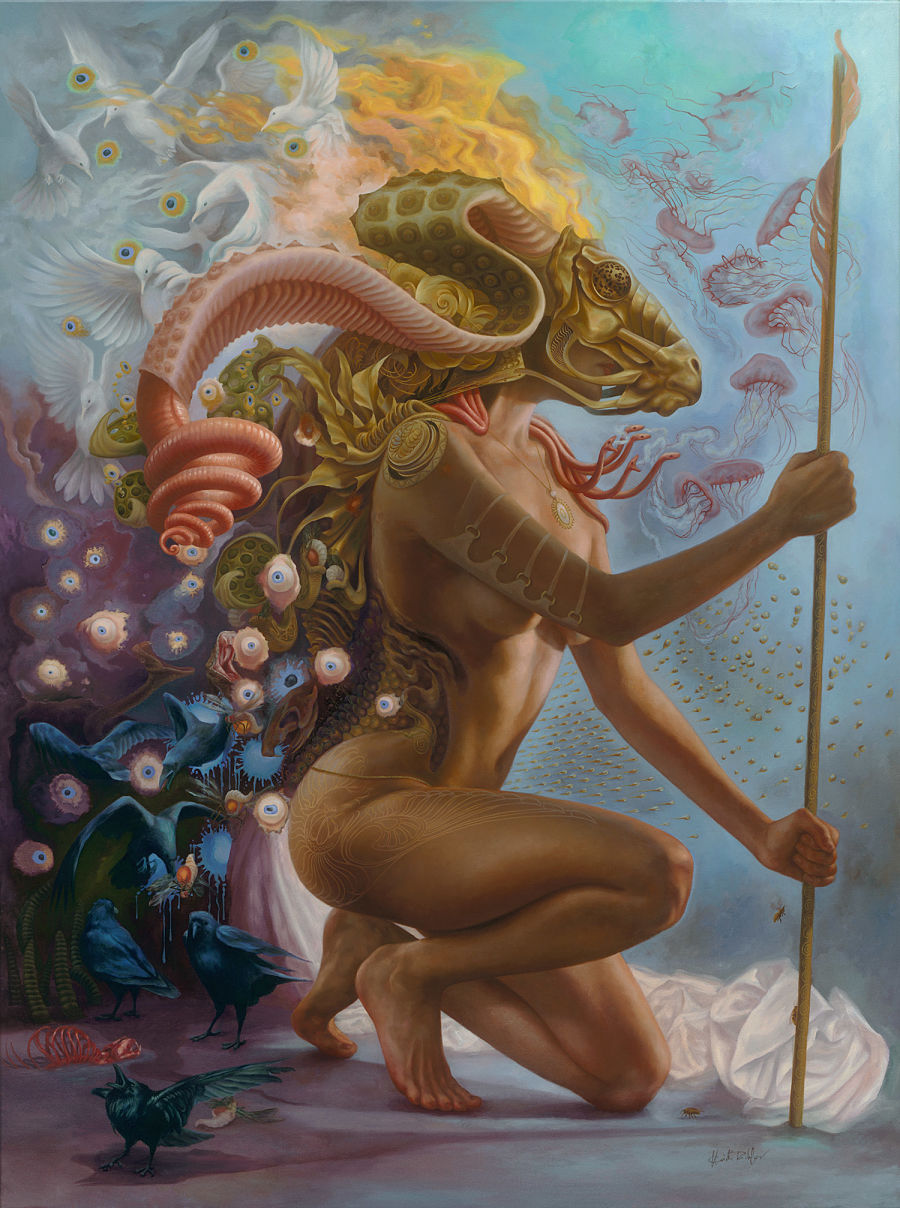
          Heidi Taillefer   , ‘Angels of our Nature’ there’s a print going    here
    Heidi Taillefer , ‘Angels of our Nature’ there’s a print going here

    Dr Luke’s diverse body of work includes a blast of goddess energy.

    He co-edited of Psychedelic Mysteries of the Feminine: Creativity, Ecstasy, and Healing. To co-editor Maria Papaspyrou the psychedelic feminine represents self-expression, spontaneity, intuition, inclination towards change, mindfulness, connection, and acceptance. It isn’t gender-specific but archetypal: “The feminine is an elemental pattern we all carry within ourselves, whether we are men or women,” says Papaspyrou.

    Papaspyrou cites Gareth Hill, a Jungian analyst who divided the feminine into ‘static’ and ‘dynamic’ aspects. Static “serves the impersonal goals of life on Earth, species preservation and survival.” The dynamic “receives her wisdom by engaging with direct experience, and is receptive to knowledge that belongs to the deep inner worlds”.

    “The realms beyond that space belong to the feminine. There we meet what is beyond words”

    It is the dynamic in particular that we deny at our disservice and peril: “The dynamic feminine represents spaces that can be fascinating and ecstatic as well as terrifying and disorienting, that as a society we have learned to resist.” This is represented in myth by tantric goddess Kali who tramples men that gaze ecstatically up at her as a result, as she finally frees from the constraints of ego. We’ve all been there chaps.

    The feminine is psychedelic in that it encompasses concepts like cosmic union, timelessness, rebirth, and ego death. “The realms beyond that space belong to the feminine, and there we meet what is beyond words and immediate perception,” says Papaspyrou. Never mind that many sectors of the psychedelic renaissance are, or will, be served by women from social work to psychotherapy and luxury tourism.

  • Healing with Laughter

    Healing with Laughter

      Therapy
    Therapy

    It’s okay to get the giggles says the space’s most storied therapist

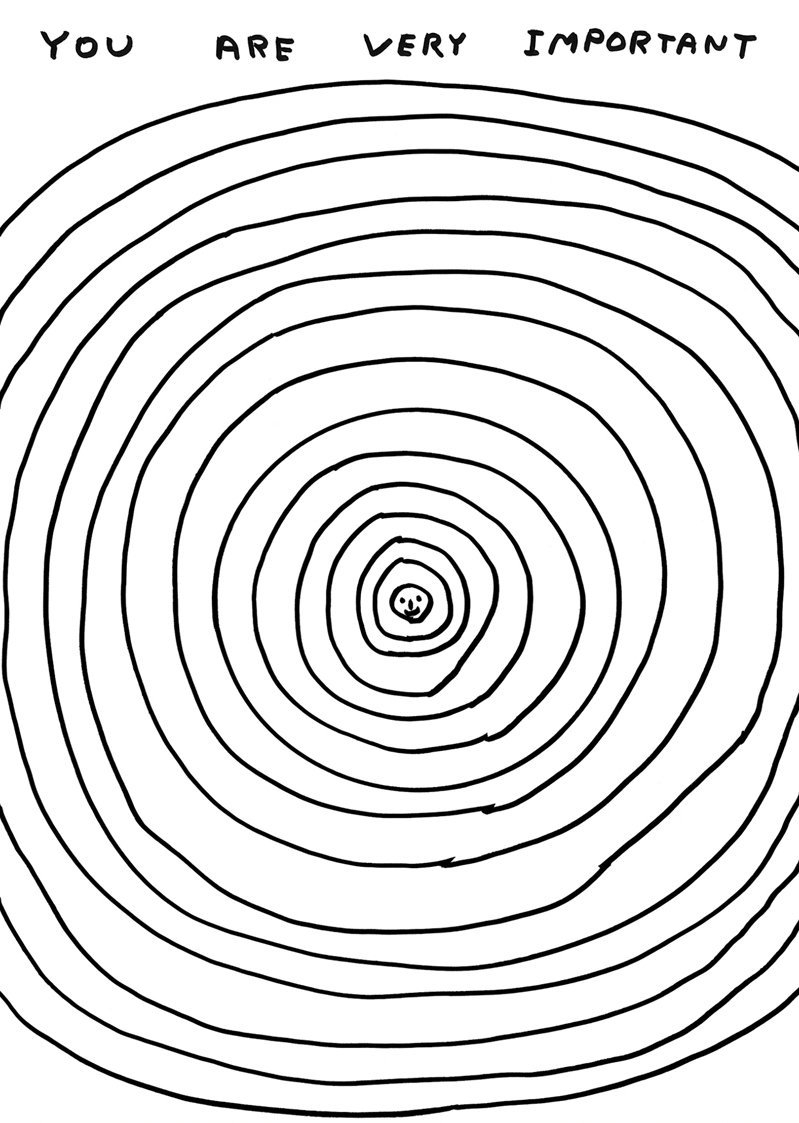
        David Shrigley,      ‘You are Very Important’
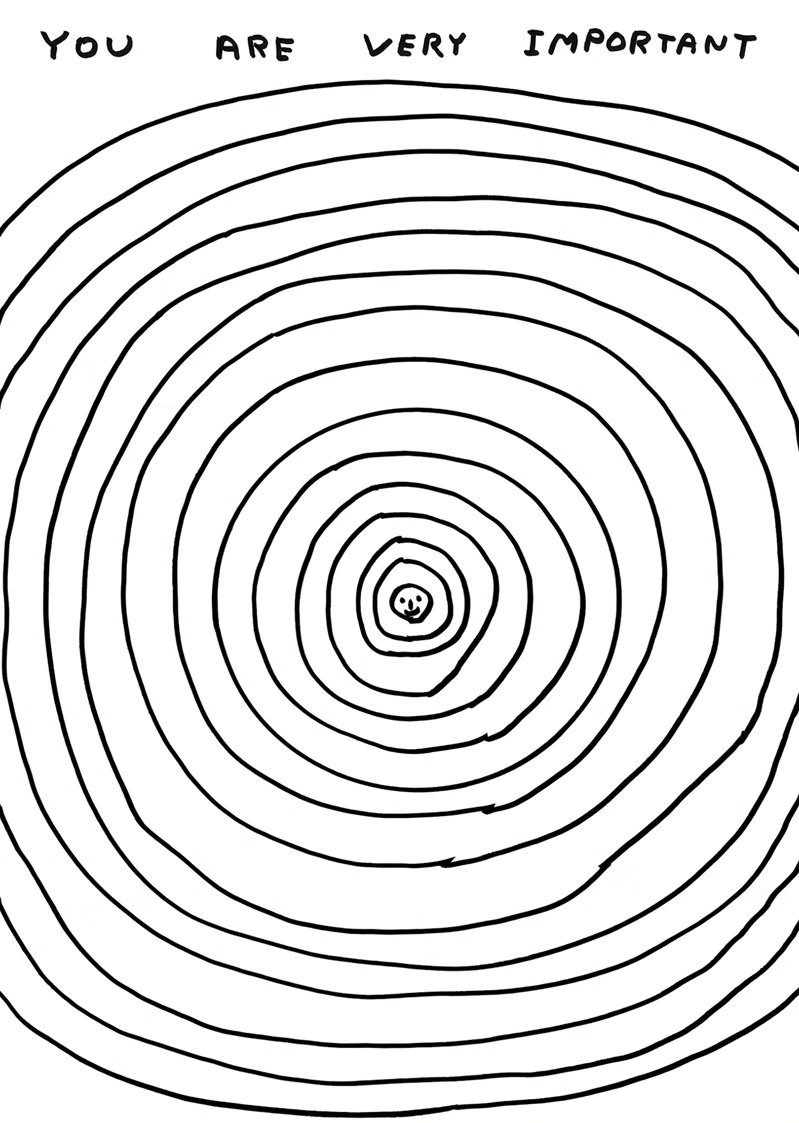
    David Shrigley, ‘You are Very Important’

    It’s okay to have a chuckle, or a cry, ‘in ceremony’. We could all probably do with one.

    “Some patients have an intuitive understanding of the transcendent. Some just giggle,” says Dr Richards.

    “For many of us intellectualisation is our primary form of armouring,” continues the seasoned psychedelic therapist, “tell participants to appreciate their thinking minds, but let themselves go out and play. See your patient going through states of wisdom, vulnerability…” and be prepared for pranksterism. The voyager might not be feeling especially mystic today, and that’s their prerogative. “A playful experience may actually be what’s needed,” says Richards. The god of laughter deserves reverence also.

    “We are primarily dealing with human consciousness, a meaningful process unfolding from within”

    Reverence is appropriate to tradition, but welcome to the aeon where do what we wilt, not least out of necessity. Fortune favours the brave: the two-guide format, for example, began because researchers couldn’t hold their subject’s hand and change the record on the turntable at the same time. There’s an anecdote that might get you some laughs in over-intellectualising psychedelic circles.

  • ‘Celebrating the mysteries’ is the new euphemism of choice

    ‘Celebrating the mysteries’ is the new euphemism of choice

      Therapy
    Therapy

    The inner healer remains the preserve of the elite but its gatekeepers look ever more ridiculous

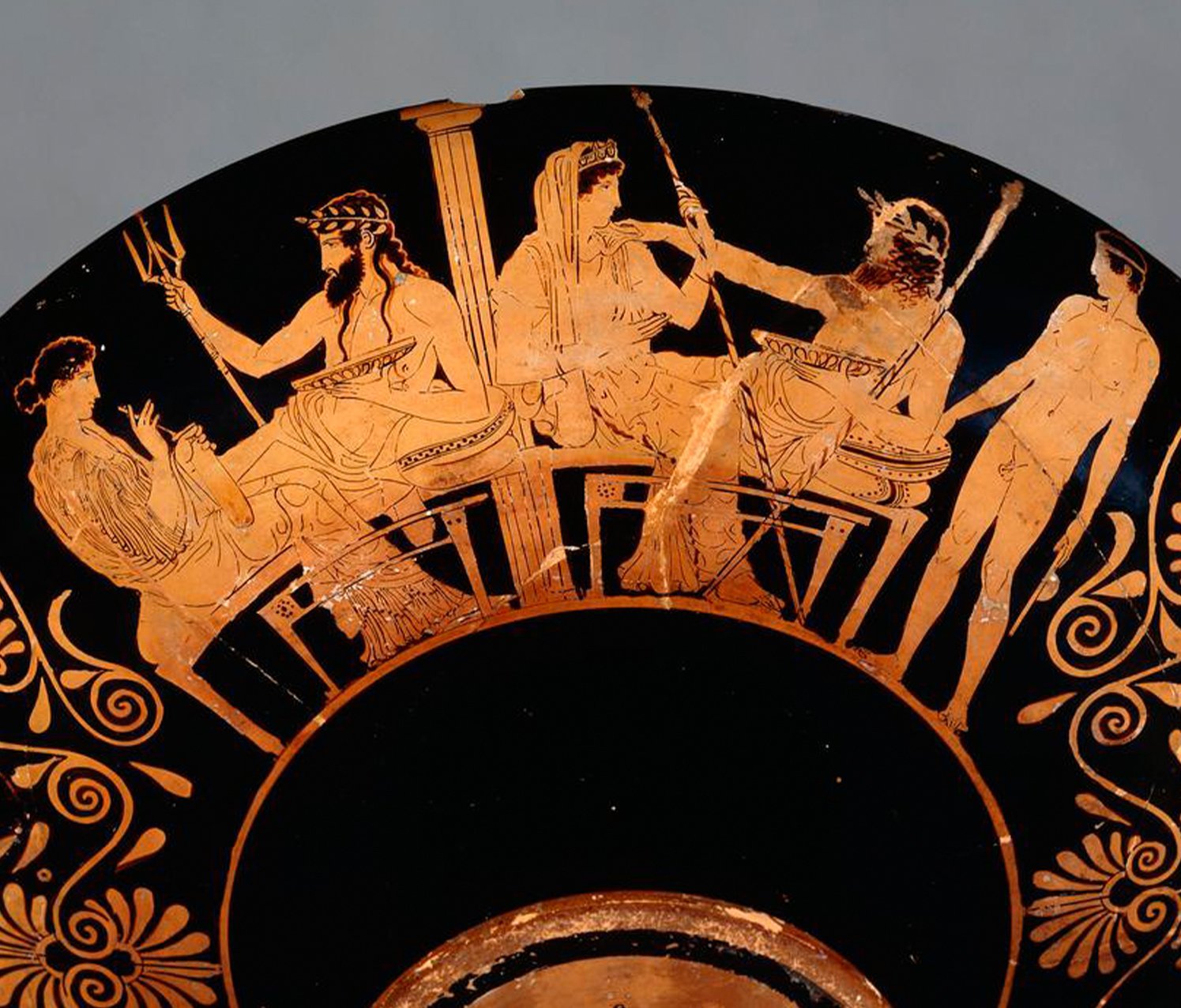
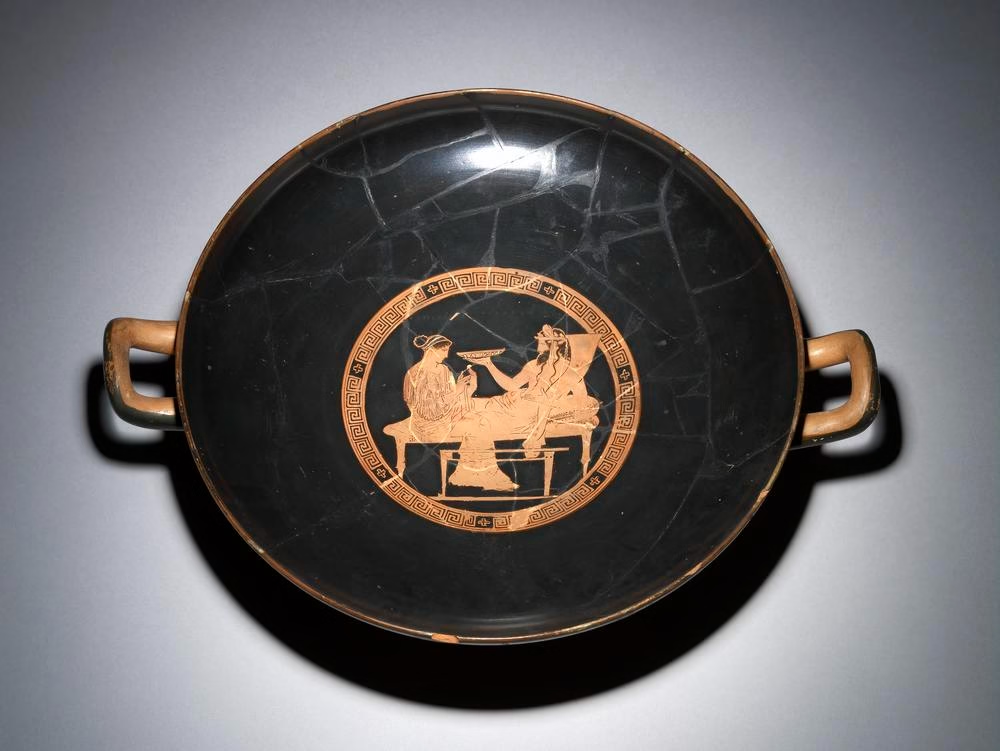
      Above and below: kylix cup depicting Hades and Persephone from 430BC now in    The British Museum
    Above and below: kylix cup depicting Hades and Persephone from 430BC now in The British Museum

    Accessibility is a hot topic in ‘the space’ right now. As ever.

    At the inaugural Psych Symposium in London’s National Gallery earlier this May 2022, itself undeniably elitist at £400 for a basic one-day ticket and £1,000 for full access and the drinkies, MAPS spokesperson Natalie Lyla Ginsberg told suits that “PTSD is most common in the marginalised communities who cannot currently access these treatments.” Author Zoe Cormier eviscerated corpos with lines like, “So if it’s okay for somebody dying of bowel cancer to grow their own mushrooms, why is it not okay for normal folks?” (Answer: ‘because dosages’, to a lack of any audible groans). 

    The Greeks famously all tripped together at the Eleusinian Mysteries, an invite-only annual bash held at the festival of Demeter for the best part of two thousand years. It’s heavily referenced in Shakespeare’s esoteric play The Tempest. Supposedly ‘The Mysteries’ was reserved only for the ‘invisible college’ wyrd and wonderful types, but high society were in on things too: “The beautiful people following the interesting people, and the rich people follow the beautiful people” as a wise lady once told me. Indeed, the use of psychedelics was only proven recently when a gruelling, decades-long investigation into the local availability of psychedelic ergot was trumped by legal records prosecuting a notorious socialite for ‘celebrating the mysteries’ at dinner parties back home in Athens (he got exiled to Sparta, by the way). Current podcast staple Brian Muraresku will tell you all about psychedelic use by the early Christians. And has been recently in great interviews like this around his book The Immortality Key.

    The ancient greeks believed “Life can only be experienced in a truly terrifying, but transformational, encounter with death.”

    Ritually, the Greeks supped from elaborate kylix cups (above). Medieval witches got rampant on datura, best taken internally via the mucus membrane, by inserting it vaginally – ‘riding the broomstick’. In 2022 ketamine bumps are delivered in £5,000 inhalers, and while no one is sticking DMT up their bum just yet, the common folk are hunted and persecuted by the agents of mediocrity still.

  • Psychedelic therapy is an art first and a science second

    Psychedelic therapy is an art first and a science second

      Therapy
    Therapy

    You can train as a shaman with Dr Joe! But there’s a catch. You actually have to go and do it

      Anderson Debernardi, ‘Ayahuasqueros Healing’ available    here
    Anderson Debernardi, ‘Ayahuasqueros Healing’ available here

    “It’s living in the jungle for four months, eating right,” says Tafur, “You can’t read it and write it.”

    You can train to be a shaman with Dr Joe! But there’s what would be considered, in this modern world, a catch: you actually have to go and do it.

    Even for psychotherapists practicing MDMA therapy at MAPS, Dr Tafur points out, “There’s no running away when you’re in there with people who have these issues for eight hours.”

    Whether delivering the icaros in that delightful yet dread-laden way, or deftly reaching out with your neuroceptive aura, Dr Tafur is keen to stress, “this is an art.”

    A powerful combination of the sacred, the empathic, and experience in healing epigentic-related conditions is central to his hypothesis (see Medical below). It’s why the clinical sector is fascinated; even in this 1950s archive footage a researcher asks his test subject “how does your soul feel right now?” Plus it’s also why ravers aren’t cured of mental health issues after a big weekend – context and other important characteristics are key to the drug experience having a self-healing element. The spiritual factor prompts an ever deeper form of self-healing when combined with the therapeutic. “Current medical science cannot match the transpersonal, or the moving,” says Dr Tafur.

    ‘Psyche’ in classical greek means ‘soul’. Dr Tafur explained that indigenous perspectives consider spirituality and healing to be one and the same. Music, prayer, ceremony, connection and affirmation: all augment the ‘spiritual experience’ that research shows is key to healing with psychedelics.

  • Alcoholics Anonymous founder Bill W’s LSD use inspired 12-Step and cured his depression

    Alcoholics Anonymous founder Bill W’s LSD use inspired 12-Step and cured his depression

      Therapy
    Therapy

    LSD treatment is most effective against the demon drink, says a 2020 report. But AA founder Bill ‘W’ was ahead of the curve back in the 1950s

      Alcoholics Anonymous founder Bill Wilson was forced to stand down from his pro-LSD stance
    Alcoholics Anonymous founder Bill Wilson was forced to stand down from his pro-LSD stance

    Hospitalised three times already in less than two years during the mid-30s, Bill ‘W’ Wilson checked himself into hospital for rehab bearing a copy of William James’ Varieties of Religious Experience.

    He was given the Towns-Lambert treatment for detoxification made using deadly nightshade, henbane (both lively natural psychedelics) and morphine over a period of days.

    A close converted christian friend and recovery fellow, Ebby, visited, and pressed the conversation towards Wilson’s atrocious treatment of his wife Lois. Wilson hit ‘rock bottom’ – ego death – and, as he writes in autobiography Pass it On:

    “Then came the blazing thought, ‘you are a free man!’ A great peace stole over me, and this was accompanied by a sensation difficult to describe. I became acutely conscious of a Presence which seemed like a veritable sea of living spirit. I lay on the shores of a new world. ‘This’, I thought, ‘must be the great reality.”

    “LSD therapy has contributed not a little to this happier state of affairs”

    Wilson also experienced visions of “a chain of drunks” extending around the globe, assisting each others’ recovery. This would become Alcoholics Anonymous (AA). Wilson also came to value spirituality, and etched its practice into The Twelve Steps. According to his I am Bill biographer Francis Hartigan, Wilson thought depression grew from a “lack of faith” and a dearth of “spiritual achievement.”

    Vitally, he “did not see any conflict between science and medicine and religion.”

    Thanks to Osmond’s work, church and community leaders were (at this stage) pro-LSD, having seen Osmond’s patients rejoin functional society. Wilson met Osmond and Hoffer in his role as an abstinence thought leader to discuss addiction in 1954. At this stage our favourite post-war sub-arctic boffins were blundering around believing LSD would prompt delerium tremens attacks that might shock drinkers out of their rut. Osmond: “We found, in fact, that this wasn’t quite how it worked… not unlike Bill’s experience. It gave us pause for thought. Not on the grounds of how terrifying it was, but how illuminating it was.”

    In 1955 Wilson took LSD under supervision from consciousness pioneer Gerald Heard and psychiatrist Sidney Cohen (who also provided Aldous Huxley’s deathbed LSD).

    He wrote to Betty Eisner, one of his therapy team plus an especially innovative researcher into addiction and LSD, reporting:

    “Since returning home I have felt — and hope have acted! — exceedingly well. I can make no doubt that the Eisner-Cohen-Powers-LSD therapy has contributed not a little to this happier state of affairs.”

    AA’s narrative was that it healed through a combination of complete sobriety and the ‘higher power’ (the latter Wilson considered contactable via LSD). Psychedelics and even psychology didn’t fit with that. To fervent AA members, “Bill’s seeking outside help was tantamount to saying the program didn’t work” writes Hardigan. 

    “This,” 12-step founder Wilson thought, “must be the great reality”

    In 2020, a systematic review published by Frontiers in Psychology compiling figures from alcoholism LSD treatments over many decades said, “LSD is revealed as a potential therapeutic agent in psychiatry; the evidence to date is strongest for the use of LSD in the treatment of alcoholism.”

    John Hopkins stand-out Matthew Johnson began trials on psilocybin for smoking cessation in 2014, and has since racked up an 80% success rate that dwarfs other approaches. His team are also starting or planning studies using psilocybin therapy for a wide range of other conditions, including opioid addiction and alcoholism. 

    Bill ‘W’ Wilson caved into pressure and stopped LSD therapy in the mid-60s. Neither his depression nor drinking returned.