Both genders can embrace spontaneity, intuition, change, connection and acceptance
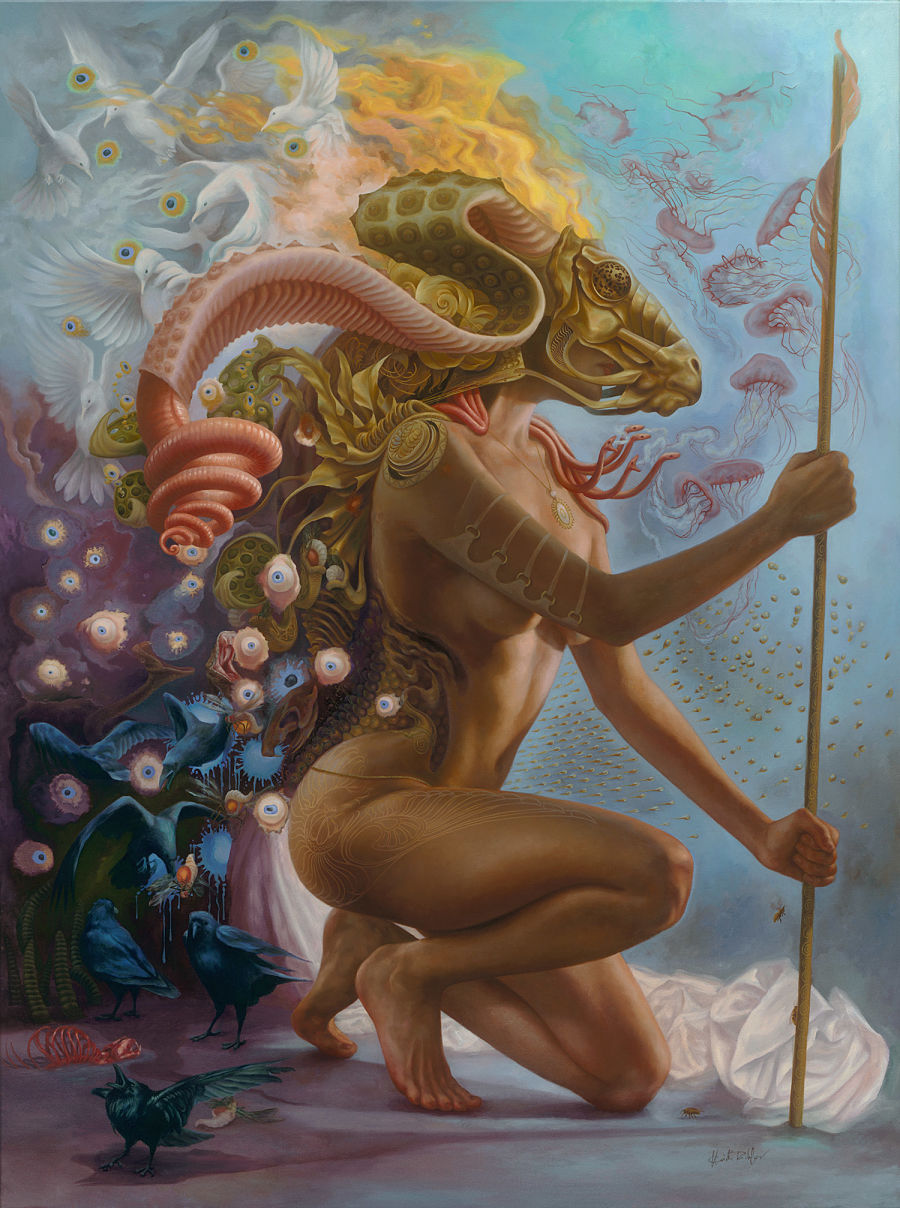
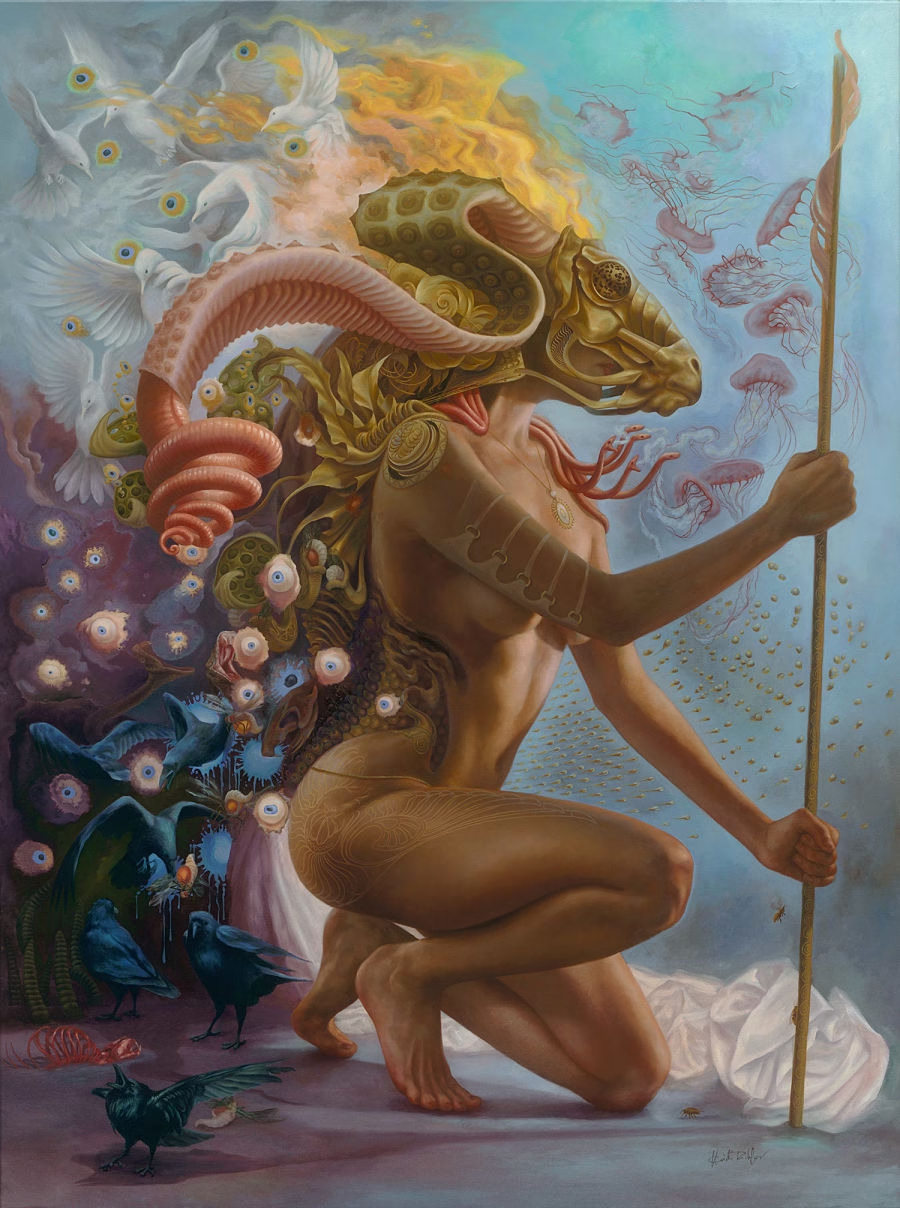
Heidi Taillefer , ‘Angels of our Nature’ there’s a print going here
Dr Luke’s diverse body of work includes a blast of goddess energy.
He co-edited of Psychedelic Mysteries of the Feminine: Creativity, Ecstasy, and Healing. To co-editor Maria Papaspyrou the psychedelic feminine represents self-expression, spontaneity, intuition, inclination towards change, mindfulness, connection, and acceptance. It isn’t gender-specific but archetypal: “The feminine is an elemental pattern we all carry within ourselves, whether we are men or women,” says Papaspyrou.
Papaspyrou cites Gareth Hill, a Jungian analyst who divided the feminine into ‘static’ and ‘dynamic’ aspects. Static “serves the impersonal goals of life on Earth, species preservation and survival.” The dynamic “receives her wisdom by engaging with direct experience, and is receptive to knowledge that belongs to the deep inner worlds”.
“The realms beyond that space belong to the feminine. There we meet what is beyond words”
It is the dynamic in particular that we deny at our disservice and peril: “The dynamic feminine represents spaces that can be fascinating and ecstatic as well as terrifying and disorienting, that as a society we have learned to resist.” This is represented in myth by tantric goddess Kali who tramples men that gaze ecstatically up at her as a result, as she finally frees from the constraints of ego. We’ve all been there chaps.
The feminine is psychedelic in that it encompasses concepts like cosmic union, timelessness, rebirth, and ego death. “The realms beyond that space belong to the feminine, and there we meet what is beyond words and immediate perception,” says Papaspyrou. Never mind that many sectors of the psychedelic renaissance are, or will, be served by women from social work to psychotherapy and luxury tourism.
What can the medical sector learn from the space? “Everything,” says Dr Luke
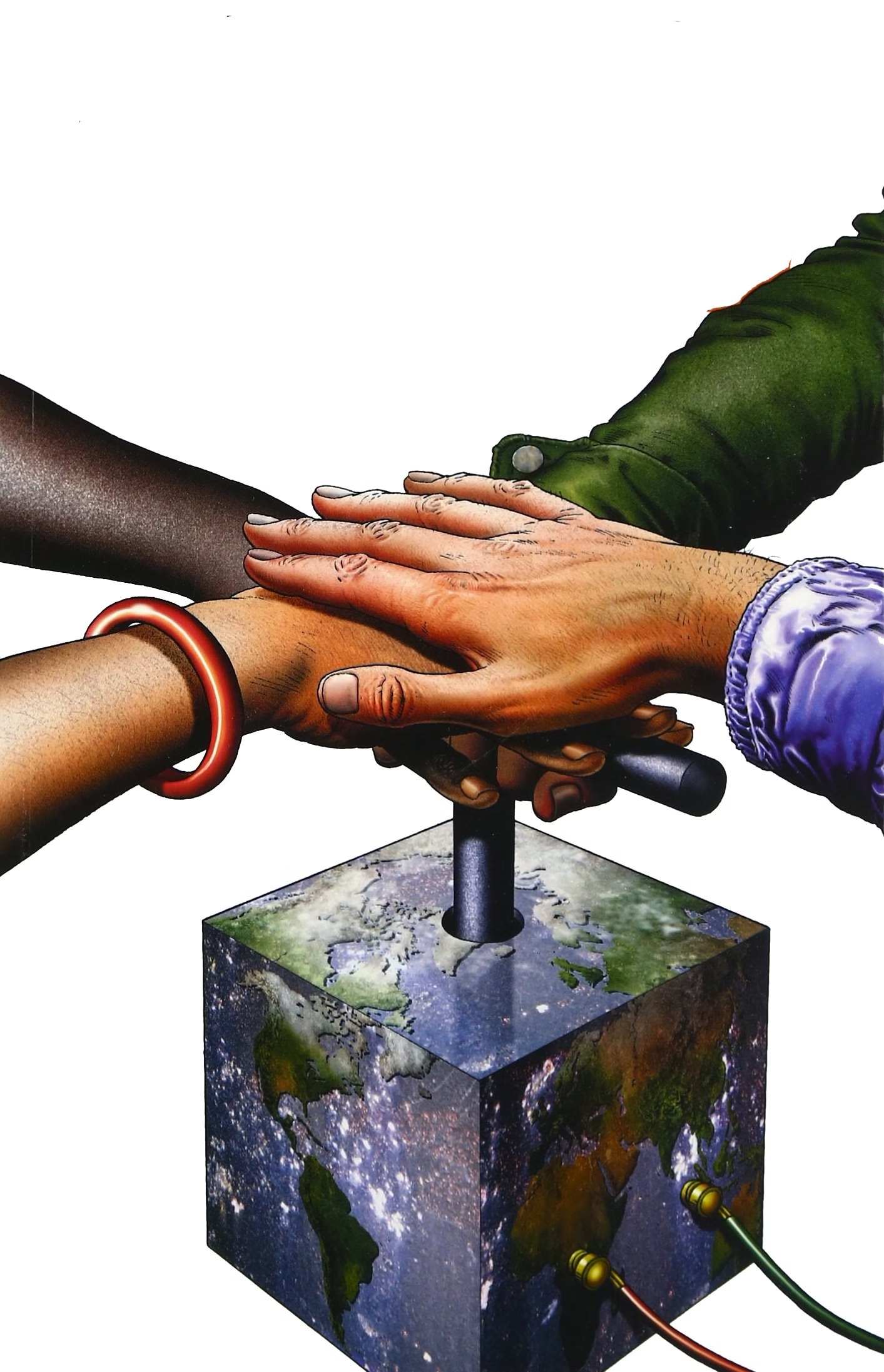
If you like this there’s another Grant Morrison reference in the issue
‘Field research’ is Dr Luke’s term for the surveys and private research projects he’s conducted on the fringes of everyday reality.
“It’s citizen science at its finest – but tragically illegal,” expanded Dr Luke in answer to my question, ‘What can the medical sector learn from the psychedelic subculture?’
“I’ve invented ‘psychograms’ to represent all sorts of altered states,” he offers by way of an example, “I have about four art-stroke-science virtual reality projects on the go right now ranging from inducing synaesthesic meditation to interplanetary inter-connectedness and the tarot,” he says. “It’s the inverse – you alter your perception to change your brain, rather than alter your brain to change your perception. We have things like that at the festivals, they supposedly replicate the effects psychedelics… at least on paper according to the tests. I slightly don’t believe it, but there is massive potential.”
While keen to stress that “psychedelics are not a panacea” like all authentic experts, extensive surveys conducted by Dr Luke and his team “show that they can be good for all kinds of things actually, from autism to Parkinson’s.”
“This is the intersection of science, and genuine transcendence of time/space to bring back information”
In the suburban living rooms of Britain something stirs. “We go round to people’s houses, it’s much more pleasant for the subjects. We did some experiments with precognitive individuals, and put shared experiences declared by ayahuasca users under the microscope: two people, experienced users who didn’t know each other, weren’t allowed to talk beforehand, attempted to join each other in the experience, and were interviewed separately afterwards. I haven’t fully evaluated the data as independent judges are interpreting the reports and images. But just eyeballing the material, I thought it was a long shot but… it looks like we’re going to get something quite significant. Albert Hoffman saw the doctor coming with an obsidian knife and feathered headdress. He knew where the provenance; his colleagues in Basle had similar visions, but no idea of any connection to Mexico or the Inca.”
This is the intersection of science, “and genuine transcendence of time and space to bring back information,” declares Dr Luke, “I’ve been looking into creative problem solving with scientists in DMT, bridging the gap between shamanism and science. It speaks to the very nature of reality, the meeting point between world views. And nobody’s asking these questions. They’re asking ‘What does it do in the brain?’ questions. And they’re getting ‘What it does in the brain’ kind of answers. They don’t engage with the glaring ontological questions about the nature of reality.”
He believes the obvious experts to ask, like many actually do, are the DMT explorers of the Amazon. “Collectively as a culture they have thousands of years of expertise,” Dr Luke says, “They were the original keeps of the wisdom and the substances. They haven’t been invited to the table at these multi billion dollar conferences.”
Is DMT hyperspace the afterlife and do we become an ‘entity’ when we die?
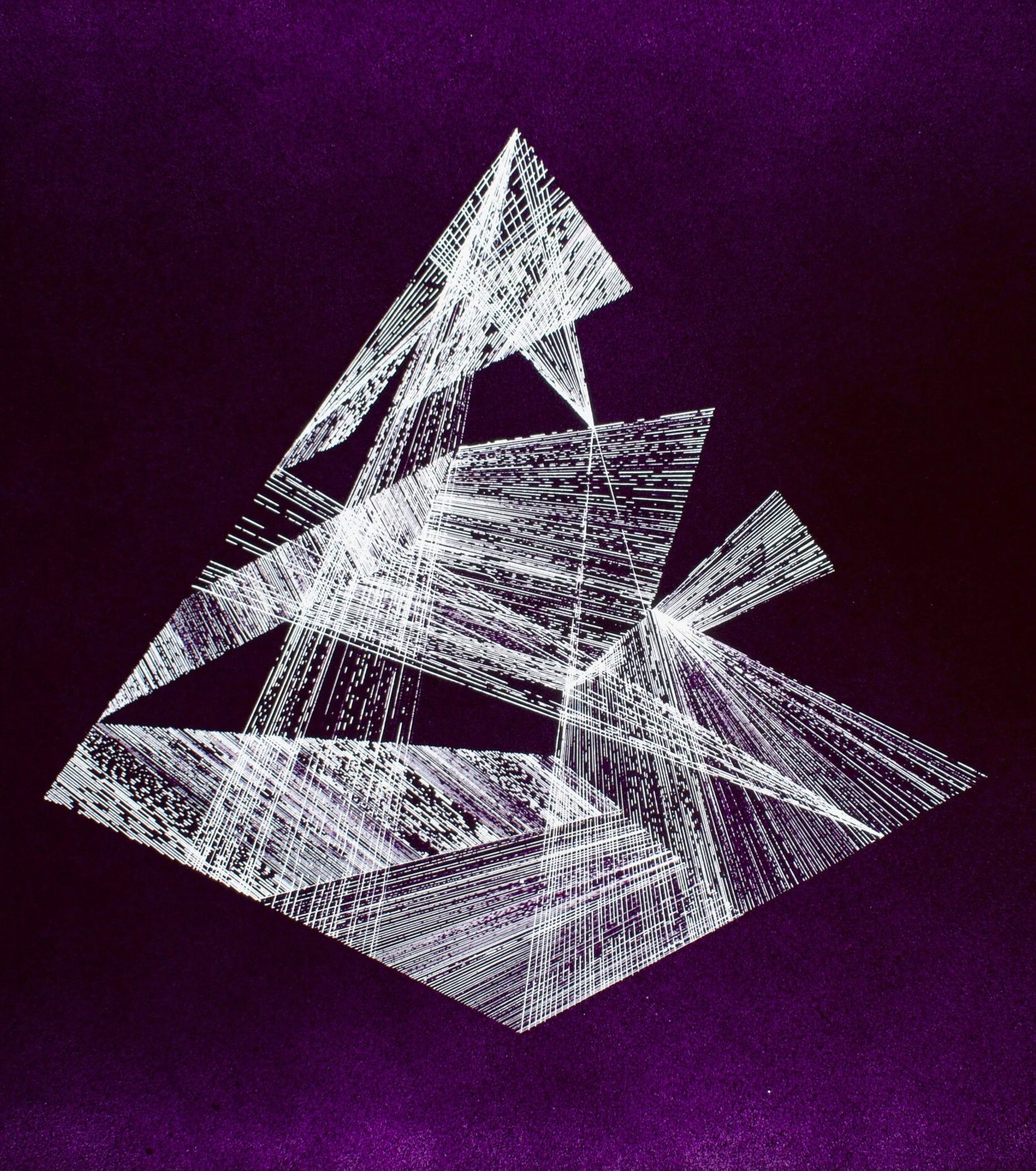
Mary Jacoob ‘Nexus 02’ via Gallery 46
DMT is produced in the body at the moment our physical existence ends.
And, according to a recent paper by proper brainbox Dr Christopher Timmerman, DMT replicates the near death experience (NDE). So is DMT intended only for that final event in our lives? And is a DMT trip a ticket to the realm beyond?
Judging by his own enthusiastic research “the truth is “going to be more complex,” says Dr Luke, who has studied more than one shamanistic tradition first hand in detail.
“There are features of the DMT experience you don’t get with NDE,” says Dr Luke, “Intense geometric patterns and colours for example, which are fundamental. Encounters with deceased relatives, and premonition [predicting the future] are less common in DMT. But 4-5% of people who take DMT have a ‘deceased encounter’ – but no ‘life review’ or ‘tunnel’.”
‘DMT entities’ are also unique to substance, Dr Luke adds. “Then there are the encounters with little people that have been around for a long time,” he says, “Graham Hancock made a direct comparison with them to modern-day alien abduction experiences. Although traditionally they were associated with the world of the dead. There’s many layers – the two not the same, I would say. They may be related. DMT may be ‘released’ at death. It may be created in the pineal gland. But we don’t have enough hard evidence.”
There are many other hypotheses: “I have colleagues who believe DMT entities are ‘intro-ceptive.’ You’re encountering your own micro-biome, mitochondria or other internal structures,” says Dr Luke, “Interesting theory, but it doesn’t account for the 25 -foot tall preying mantises.”
DMT is prevalent at much higher levels in the human body than previously believed. Maybe to the same extent as serotonin, to which it is increasingly compared
So should we, like our mate says, avoid taking DMT in case it uses up all our death high, and our eventual moment of union with the cosmic whole is, like, a dud?
According to hardcore research where scientists monitored the brain activity in rats while they died, DMT is produced at six times the normal level at the moment of extermination. But other chemicals, including serotonin, noradrenaline and dopamine are blasted at many more times the normal levels.
“There’s very good reasons to think DMT is produced in the human pineal gland,” says Dr Luke, “but it could be made in the body.” In 2019 a heavyweight paper from the DMT Quest organisation concluded DMT is prevalent at much higher levels in the human body than previously believed; even to the same extent as serotonin, to which it is increasingly compared. The pineal gland is tiny, points out Dr Luke, and said experiments on rats were also conducted on another set of rats who’d had their pineal glands removed. DMT was still produced at large quantities upon death.
While we’re asking questions like ‘are entities real?’ in the pub, more ambitious brains are looking into the relationship between the pineal gland, DMT and autism (upon which Dr Luke has conducted surveys suggesting “extremely promising data”). While dudes like Andrew Gilmore and Anton Bilton are talking about setting up a DMT hyperspace station for extended exploration and communion.
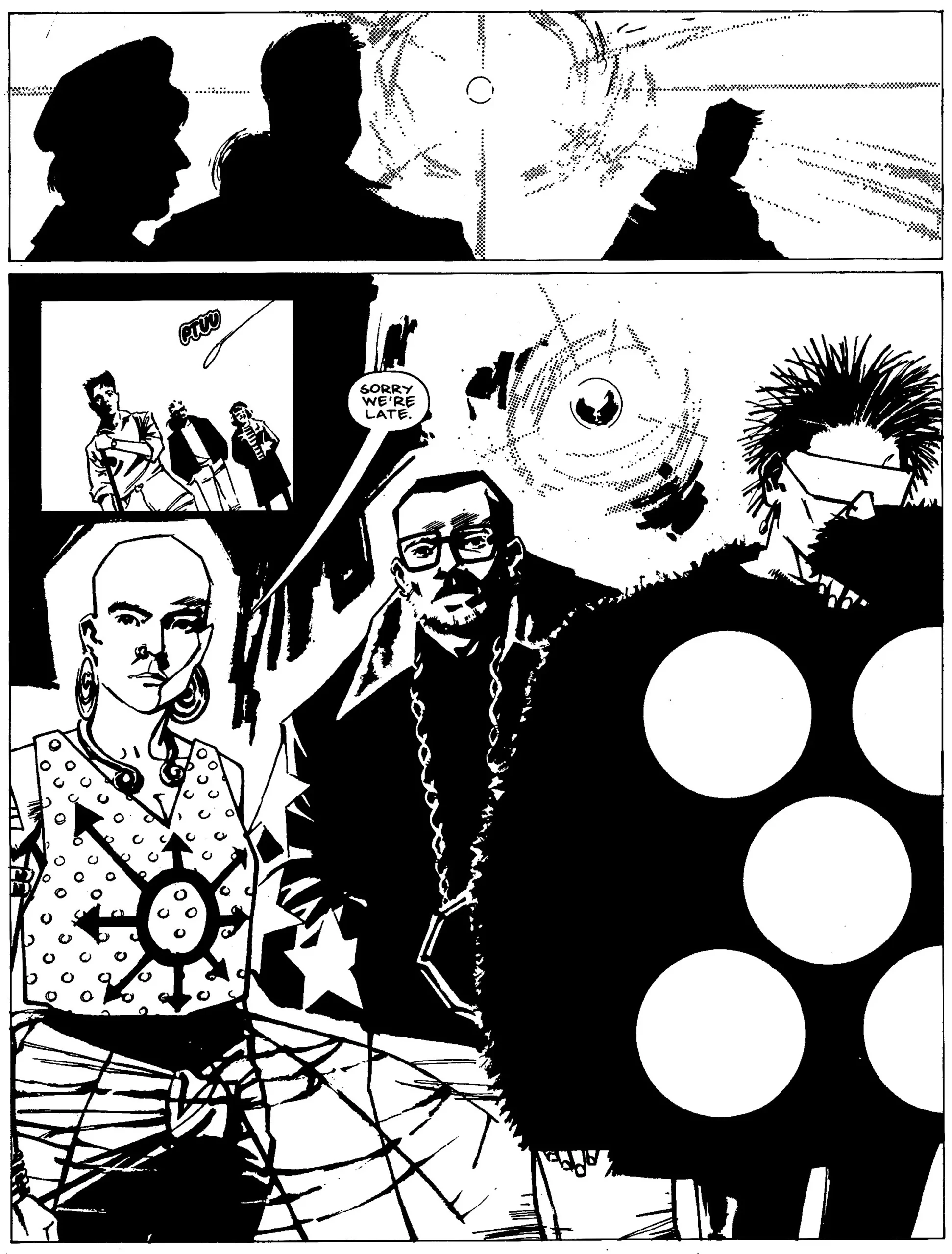
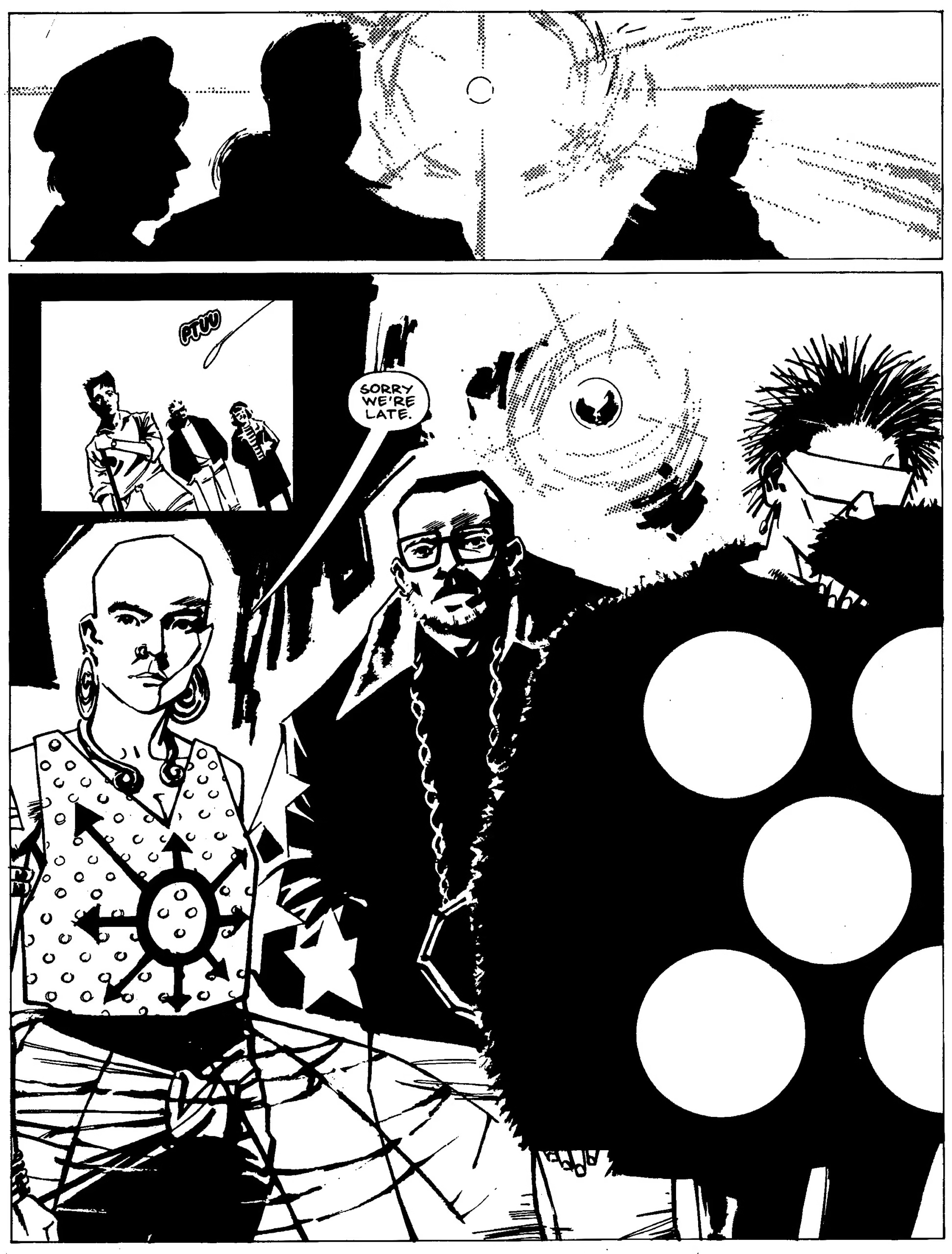
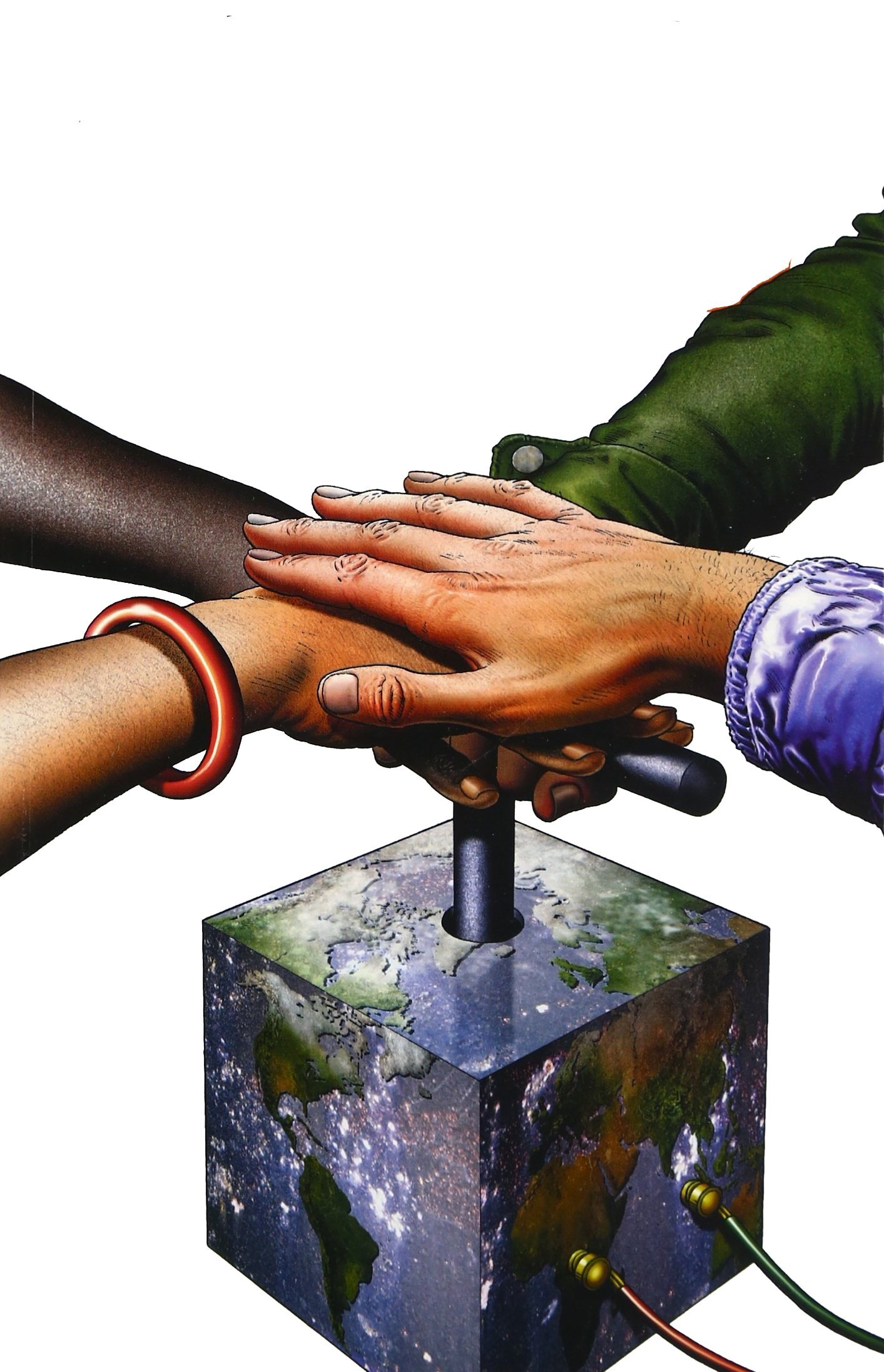
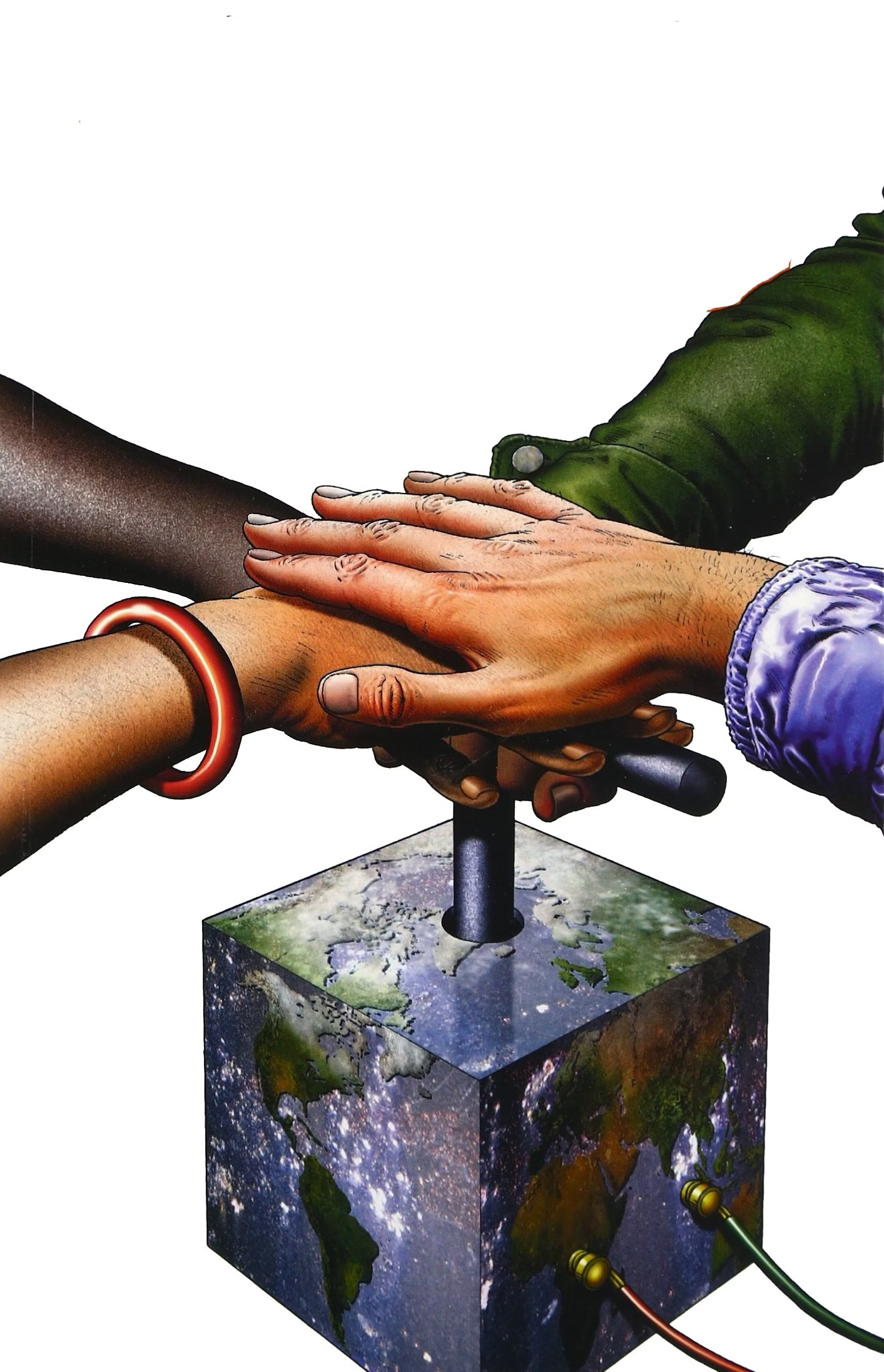
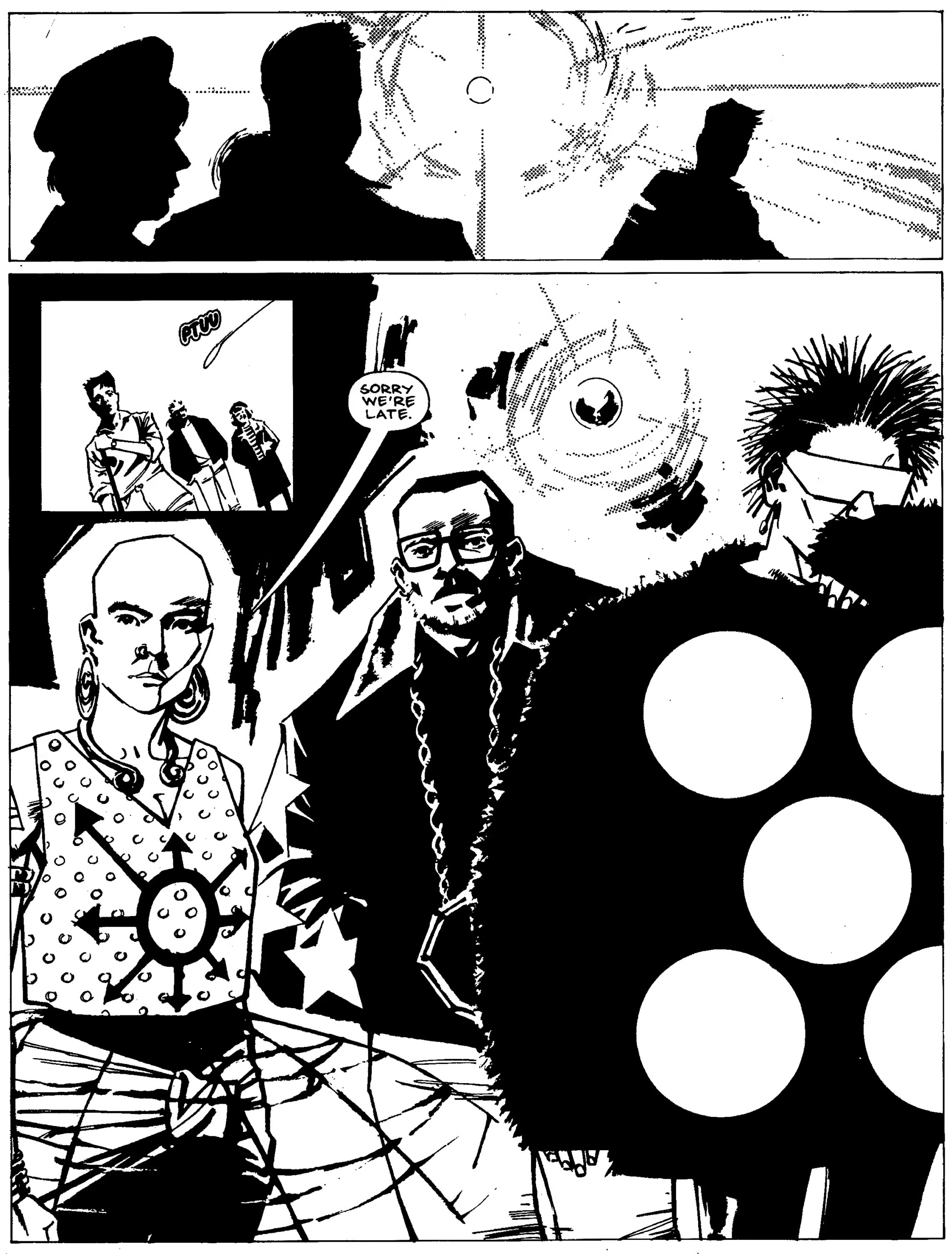
By Brian Bolland from Grant Morrison’s The Invisibles
It’s time to take the psychedelic destiny that is rightfully ours. Which doesn’t have to involve anything too jarring.
Stanislav Grof said “It would be nice to see people be able to go for hikes, or go swimming.” Albert Hoffman insisted LSD was experienced in the wild.
“I used to go surfing, I’m a big fan of watersports on psychedelics,” giggles Dr Luke, “A lot of the outdoor-wilderness extreme sports have gone hand in hand with psychedelic culture.” James Oroc was the Burning Man face and 5-MEO author better known to extreme sports fans as paraglider ‘Kiwi’ Johnston, who passed away doing what he loved in 2020.
“Ecologists in Europe have druids involved. Which is my fault”
Morphic resonance – relating to the consciousness of others, said to be a skill of Shipibo ayahuasca healers – is strong in ceremonial groups.
“Will I ever be able to conduct forest therapy with a hundred, maybe ten thousand people?” dreamed aloud one Vital student in the Q&A after Dr Luke’s speech. “Ecologists in Europe have druids involved, which is my fault,” was all the esoteric scientist could offer unfortunately, with acceptance on that scale being so far away.
Although what with MDMA apparently being a psychedelic now, we’ve been in ceremony outdoors, admittedly with the drumming updated, for a while now. Here’s to James Oroc and all the rave ancestors.
To finish: trippy clippings, merry pranks, and psychedelic student life
Graph/visual aid of the Week
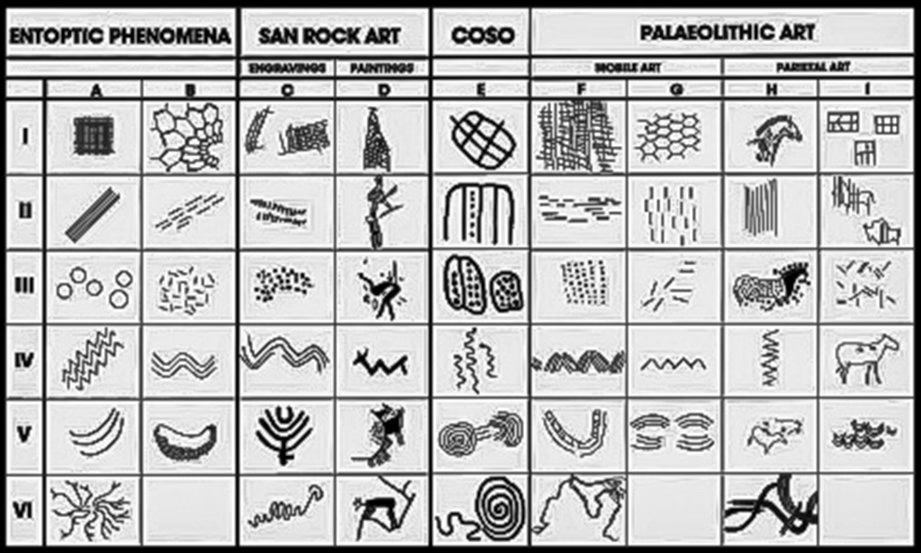
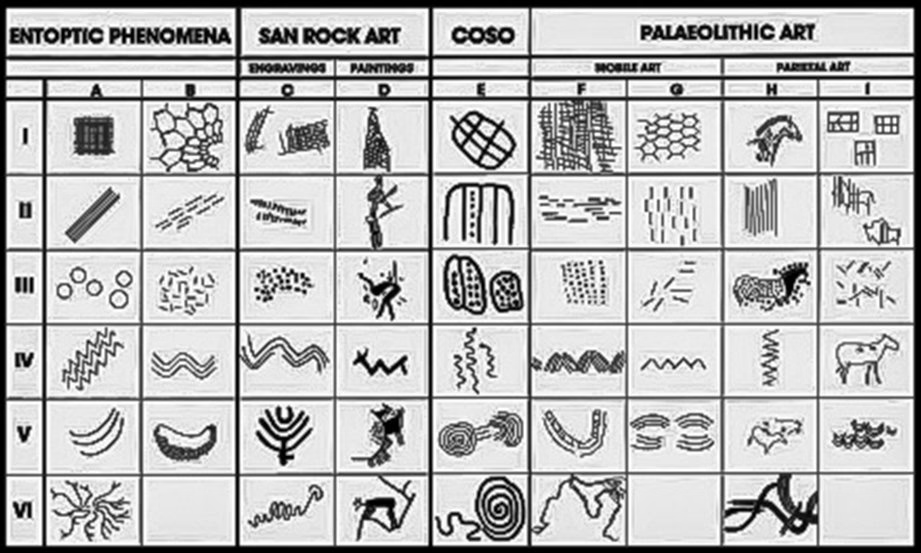
Comparison of entopic phenomena with the cave art of the San, the Coso and of Upper Paleolithic Europe
After Lewis-Williams and Dowson, 1988
From: Visionary: The Mysterious Origins of Human Consciousness (The Definitive Edition of Supernatural) (2022) by Graham Hancock
My bookshelf weighs a ton
Notable new purchases for the occult library. Strictly second hand snap-ups only.
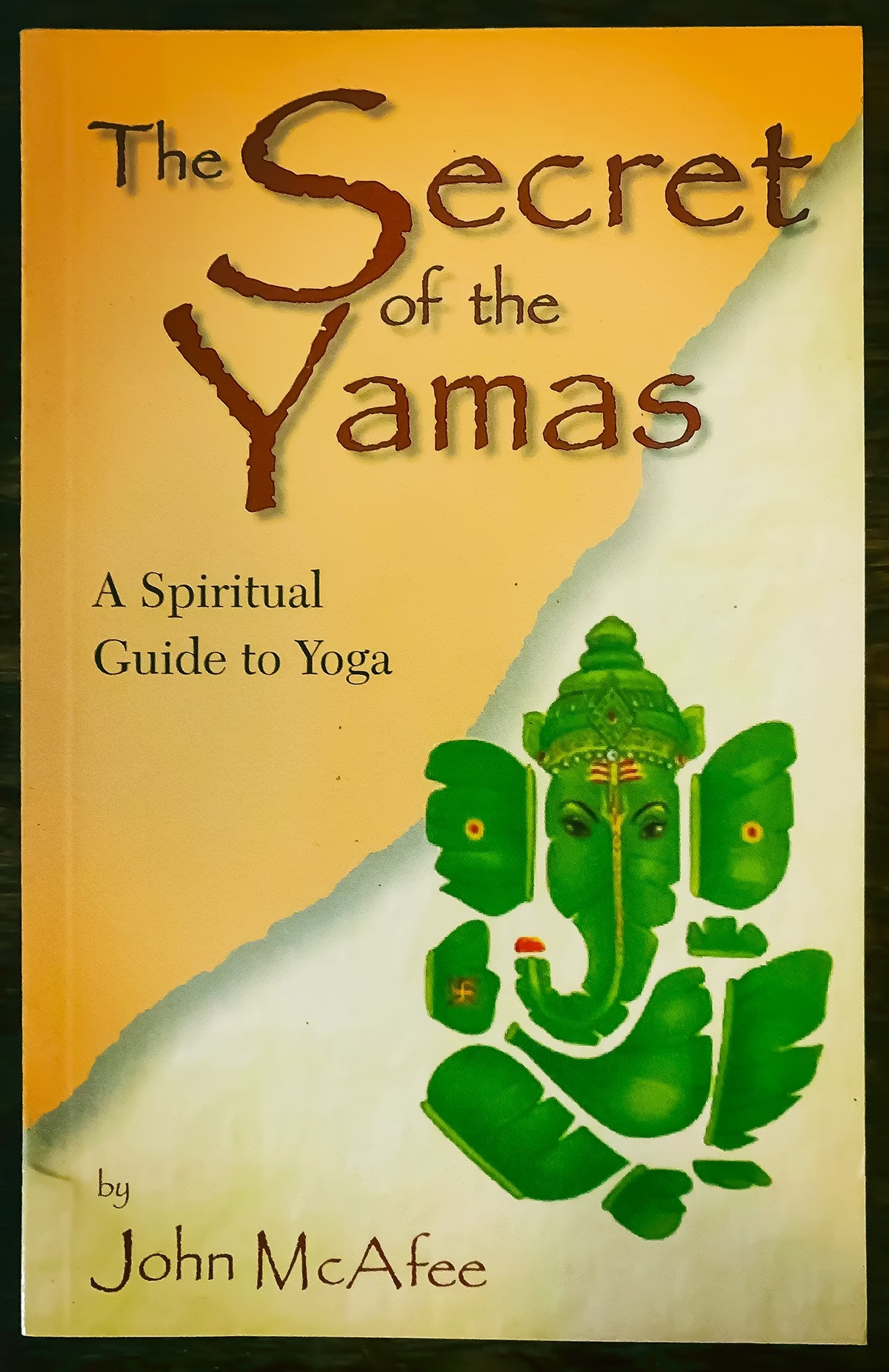
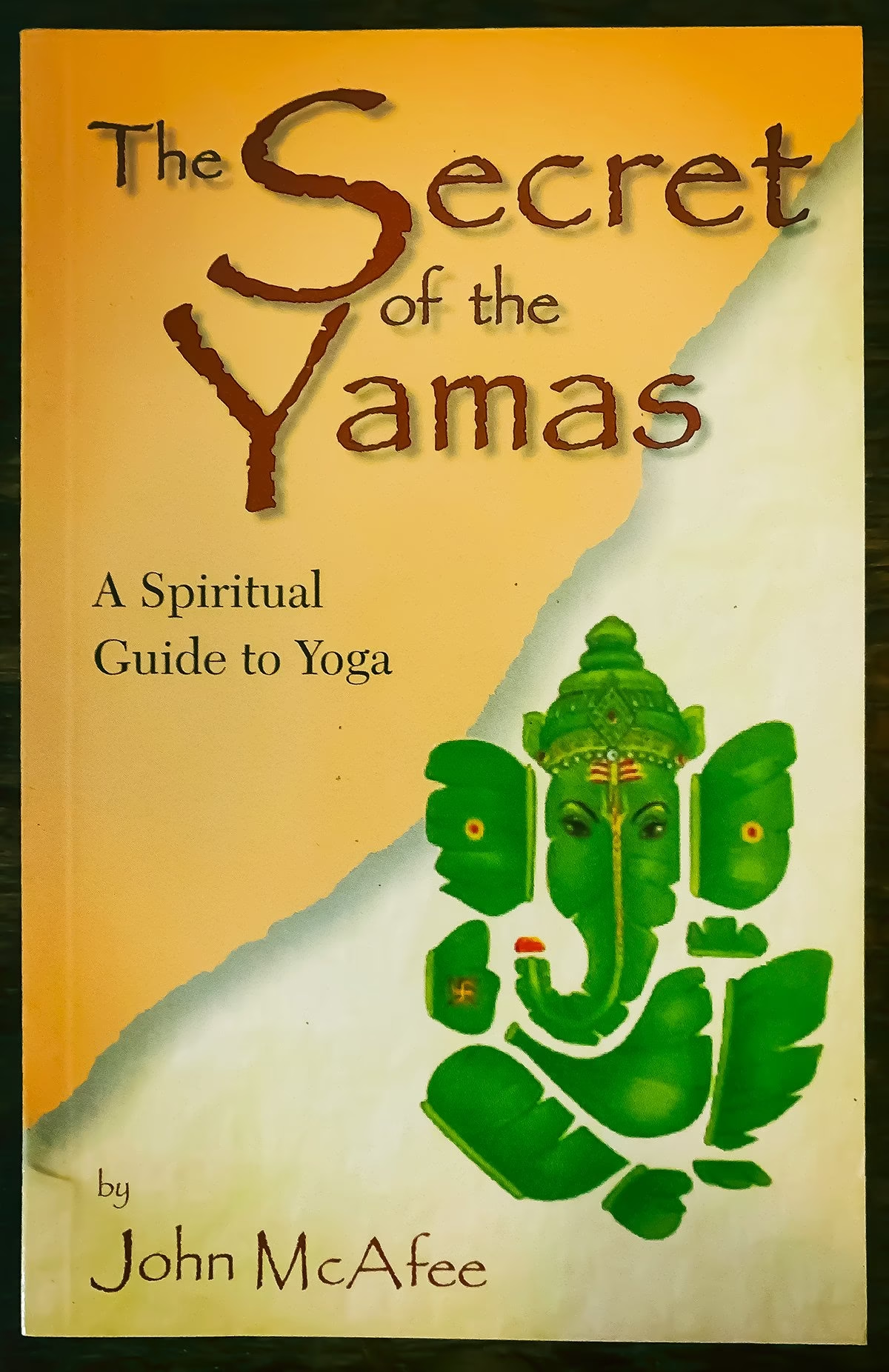
This week: The Secret of the Yamas by that John McAfee
From a Buddhist centre in Birmingham for £9
Before he invented anti-virus software and became a tech billionaire John McAfee was a meditation teacher. He wrote this book, considered a classic amongst aficionados.
Eventually there was the whole thing in Belize. The abyss claims another: “Arrakis has seen men like you come, and go.”
Non-duality is not necessarily peaceful. The anima works in notoriously, poetically mysterious ways.
Next issue:Dr Sjöstedt-Hughes and psychedelic philosophy
Vital Zine #5 featuring observations from my studies and recent happenings in the space
Mary Jacoob , ‘Constellation 01’ via Gallery 46 Whitechapel
The next stage of human consciousness is calling. Are we brave enough to answer?
Dr David Luke is the most intrepid researcher of the psychedelic renaissance – ‘the real new psychonaut’. Straight out of London but living “on the edge… of Sussex” his inspirational investigations include DMT space exploration, the psychedelic divine feminine, biophilia (tree hugging) and psionic powers – often conducted “in the field”.
David Luke dropped out of lecturing to study shamanism, and returned to Britain with consciousness expanded. Since he’s been at the vanguard of the psychedelic renaissance, consistently leading by example. Senior lecturer at all the best universities, co-founder of Breaking Convention, and director of the Ecology, Cosmos and Consciousness salon at the Institute of Ecotechnics which sounds incredible, he is a global figure in the transpersonal psychology movement. And he spoke to Vital students about it.
In the Zine this week:
Approach: Transpersonal psychology is back and this time it’s real
Therapy: The Psychedelic Divine Feminine
Space: Field Research
Medical: DMT Vs Death
Integral: Alchemy for the People
Plus! Graph/Visual Aid of the Week and second hand books
Approach
Transpersonal psychology is back and this time it’s real
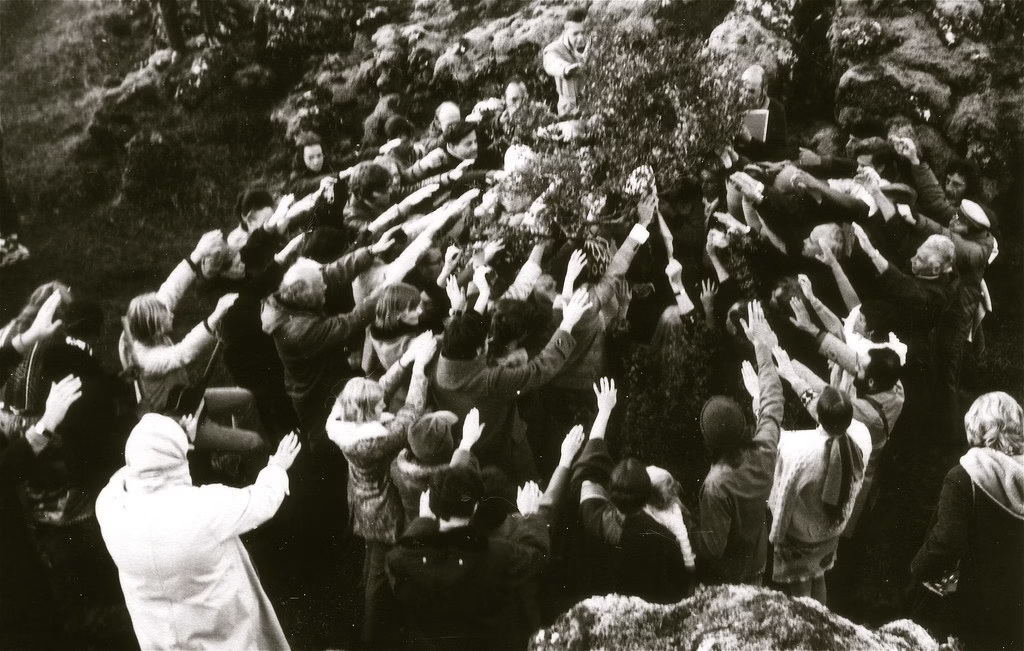
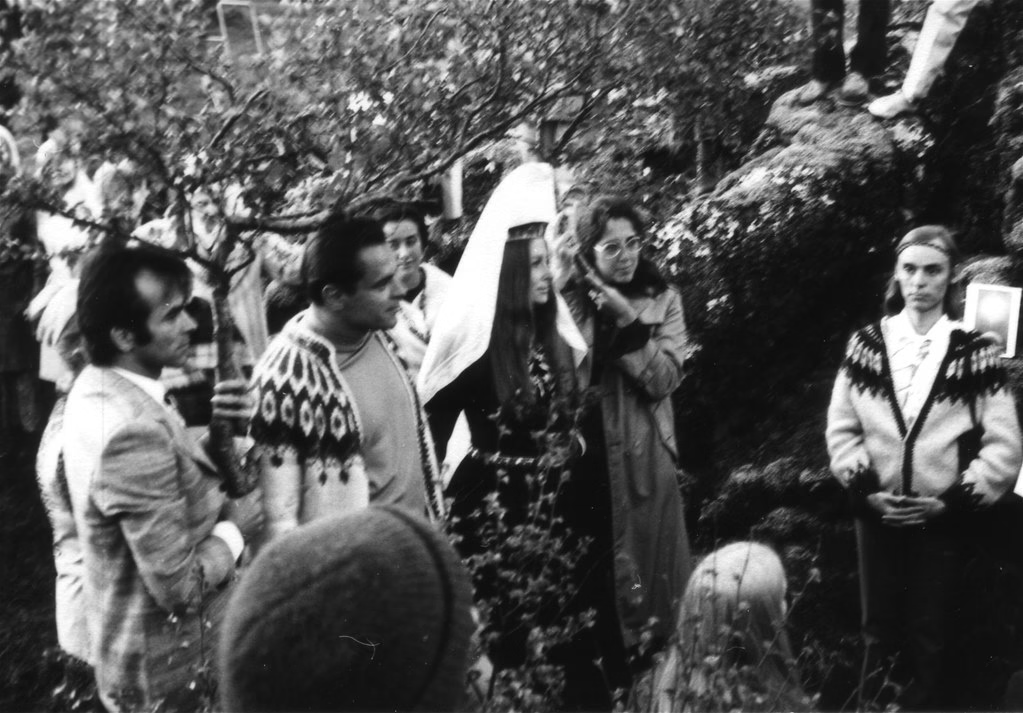
Stanislave Gorf’s 1972 wedding to ‘Jiko’ Joan Halifax in Iceland
In the 1980s transpersonal psychology staple and Way of the Psychonaut author Stanislav Grof found himself inventing holotropic breathwork out of necessity after LSD faded from grace.
Reflecting courageously on the flaws of transpersonal psychology, where science meets the super-normal, he nonetheless pointed out that the approach showed enormous potential for a range of treatment resistant diseases. And that it could be applied to other fields: like ecology, business, social work, maybe even medicine itself again someday.
“The psychology of transformative experience” is how Dr Luke describes ‘transpersonal psychology’. Back in polite conversation thanks to Iain McGilchrist’s philosophy blockbuster The Matter with Things it’s the shrinks’ most progressive field, big in the 60s at Esalen and back with a vengeance thanks to everyone from ecologists to talk therapy refuseniks and engineers of the zero-point field, to pharma giants and governments with nationalised healthcare and their eyes on psychedelics’ potential to cure disease and reboot productivity.
“The only revolution that can work… is the inner transformation of every human being”
The transpersonal are “moments that evolve your current ego identity… by stepping outside normal consciousness to connection with a wider other,” explains Dr Luke. You’re in the realm of the transpersonal when you’re feeling warm and clear after meditating or making it to church: plus when acknowledging childhood trauma, or during a full revelatory, inner-visual spiritual experience… or being abducted by aliens, having a spontaneous DMT exprience, astral projecting, arguably dreaming and so on.
The discipline is “ethnogenic, cognicentric and pragmacentric” meaning entirely inclusive and accepting of other modes of consciousness. It evolved throughout the 20th century from William James’ ‘radical empiricism’ – scientific testing for the mysterious and hitherto unknown – to include Burke’s ‘cosmic consciousness’, Jung and Maslow’s pining for the mystic, and ‘post religious’ belief systems like Ken Wilbur’s integral.
Grof and Halifax exchange vows. The published The Human Encounter With Death together in 1977
You still have to do the graft though. “The only revolution that can work… is the inner transformation of every human being,” said Grof, and transpersonal psychology includes a faith in humanity’s ability to evolve not only physically but mentally, spiritually… and psionically.
“The mycelium is the message” grins Dr Luke, “other societies have sanctioned altered states, while ours refuses their existence.”
Heidi Taillefer , ‘Angels of our Nature’ there’s a print going here
Dr Luke’s diverse body of work includes goddess energy. And not just the kind that cooks.
He co-edited of Psychedelic Mysteries of the Feminine: Creativity, Ecstasy, and Healing. To co-editor Maria Papaspyrou the psychdelic feminine represents self-expression, spontaneity, intuition, inclination towards change, mindfulness, connection, and acceptance. It isn’t gender-specific but archetypal: “the feminine is an elemental pattern we all carry within ourselves, whether we are men or women,” says Papaspyrou.
She cites Gareth Hill, a Jungian analyst who divided the feminine into ‘static’ and ‘dynamic’ aspects. Static “serves the impersonal goals of life on Earth, species preservation and survival.” The dynamic “receives her wisdom by engaging with direct experience, and is receptive to knowledge that belongs to the deep inner worlds”.
“The realms beyond that space belong to the feminine, and there we meet what is beyond words”
It is the dynamic in particular that we deny at our disservice and peril: “The dynamic feminine represents spaces that can be fascinating and ecstatic as well as terrifying and disorienting, that as a society we have learned to resist.” This is represented in myth by tantric goddess Kali who tramples men that gaze ecstatically up at her as a result, as she finally frees from the constraints of ego. We’ve all been there chaps.
The feminine is psychedelic in that it encompasses concepts like cosmic union, timelessness, rebirth, and ego death. “The realms beyond that space belong to the feminine, and there we meet what is beyond words and immediate perception,” says Papaspyrou. Never mind that many sectors of the psychedelic renaissance are, or will, be served by women from social work to psychotherapy and luxury tourism.
Space
Out in the Field
If you like this there’s another Grant Morrison reference below
“What can the medical sector learn from the psychedelic subcultre? Everything.”
“It’s citizen science at its finest – but tragically illegal,” further replied Dr. Luke to my question.
‘Field research’ is his term for the surveys and private research projects he’s conducted on the fringes of everyday reality.
“I’ve invented ‘psychograms’ to represent all sorts of altered states. I have about four art-stroke-science virtual reality projects on the go right now rangng from inducing synaesthesic meditation to interplanetary inter-connectedness and the tarot,” says Dr Luke, “It’s the inverse – you alter your perception to change your brain, rather than alter your brain to change your perception. We have things like that at the festivals, they supposedly replicate the effects psychedelics… at least on paper according to the tests. I slightly don’t believe it, but there is massive potential.”
While keen to stress that “psychedelics are not a panacea” like all authentic experts, extensive surveys conducted by Dr Luke and his team “show that they can be good for all kinds of things actually, from autism to Parkinson’s.”
“This is the intersection of science, and genuine transcendence of time/space to bring back information”
In the suburban living rooms of Britain something stirs. “We go round to people’s houses, it’s much more pleasant for the subjects. We did some experiments with precognitive individuals, and put shared experiences declared by ayahuasca users under the microscope: two people, experienced users who didn’t know each other, weren’t allowed to talk beforehand, attempted to join each other in the experience, and were interviewed separately afterwards. I haven’t fully evaluated the data as indepenent judges are interpeting the reports and images. But just eyeballing the material, I thought it was a long shot but… it looks like we’re going to get something quite significant. Albert Hoffman saw the doctor coming with an obsidian knife and feathered headdress. He knew where the provenance; his colleagues in Basle had similar visions, but no idea of any connection to Mexico or the Inca.”
This is the intersection of science, “and genuine transcendence of time and space to bring back information,” declares Dr Luke, “I’ve been looking into creative problem solving with scientists in DMT, bridging the gap betwen shamanism and science. It speaks to the very nature of reality, the meeting point between worldviews. And nobody’s asking these questions. They’re asking ‘What does it do in the brain?’ questions. And they’re getting ‘What it does in the brain’ kind of answers. They don’t engage with the glaring ontological questions about the nature of reality.”
He believes the obvious experts to turn to, like many actually do, are the DMT explorers of the Amazon. “Collectively as a culture they have thousands of years of expertise They were the original keeps of the wisdom and the substances. They haven’t been invited to the table at these multi billion dollar conferences.”
Medical
DMT Vs Death
Mary Jacoob , ‘Nexus 03’ via Gallery 46 Whitechapel
Is DMT space the afterlife, and do we go there when we die… to be an entity?
According to a recent paper by proper brainbox Dr Christopher Timmerman, DMT replicates the near death experience (NDE).
Judging by his own enthusiastic research “the truth is “going to be more complex,” says Dr Luke, who has studied more than one shamanistic tradition first hand in detail. “There are features of the DMT experience you don’t get with NDE. Intense geometric patterns and colours for example, which are fundamental. Encounters with deceased relatives, and premonition [predicting the future] are less common in DMT. But 4-5% of people who take DMT have a ‘deceased encounter’ – but no ‘life review’ or ‘tunnel’. Then there are the encounters with little people that have been around for a long time. Graham Hancock made a direct comparison to modern-day alien abduction experiences. Although traditionally they were associated with the world of the dead. There’s many layers – the two not the same, I would say. They may be related. DMT may be ‘released’ at death. It may be created in the pineal gland. But we don’t have enough hard evidence.”
There are many other hypotheses: “I have colleagues who believe DMT entities are ‘intro-ceptive.’ You’re encountering your own micro-biome, mitochondria or other internal structures. Interesting theory, but it doesn’t account for the 25 -foot tall preying mantises.”
DMT is prevalent at much higher levels in the human body than previously believed. Maybe to the same extent as serotonin, to which it is increasingly compared
So should we, like our mate says, avoid taking DMT in case it uses up all our death high, and our eventual moment momet of union with cosmic whole is, like, a dud? According to hardcore research where scientsists monitored the brain activity in rats while they died, DMT is produced at six times the normal level at the moment of extermination. But other chemicals, including serotonin, noradrenaline and dopamine are blasted at many more times the normal levels.
“There’s very good reasons to think DMT is produced in the human pineal gland,” says Dr Luke, “but it could be made in the body.” In 2019 a heavyweight paper from the DMT Quest organisation concluded DMT is prevalent at much higher levels in the human body than previously believed; even to the same extent as serotonin, to which it is increasingly compared. The pineal gland is tiny, points out Dr Luke, and said expirements on rats were also conducted on another set of rats who’d had their pineal glands removed. DMT was still produced at large quantities upon death.
While we’re asking questions like ‘are entities real?’ in the pub, more ambitious brains are looking into the relationship between the pineal gland, DMT and autism (upon which Dr Luke has conducted surveys suggesting “extremely promsing data”) while dudes like Andrew Gilmore and Anton Bilton are talking about setitng up a DMT hyperspace station for extended exploration and communion.
I n t e g ra l
Alchemy for the People
By Brian Bolland from Grant Morrison’s The Invisibles
Stanislav Grof said “It would be nice to see people be able to go for hikes, or go swimming.” Albert Hoffman insisted LSD was experienced in the wild.
“I used to go surfing, I’m a big fan of watersports on psychedelics,” giggles Dr Luke, “A lot of the outdoor-wilderness extreme sports have gone hand in hand with psychedelic culture.” James Oroc was the Burning Man face and 5-MEO author better known to extreme sports fans as paraglider ‘Kiwi’ Johnston, who passed away doing what he loved in 2020.
“Ecologists in Europe have druids involved, which is my fault,”
Morphic resonance – relating to the consciousness of others, said to be a skill of shipibo ayahuasca healers – is strong in ceremonial groups. “Will I ever be able to conuct forest therapy with a hundred, maybe ten thousand people?” dreamed aloud one Vital student in the Q&A. “Ecologists in Europe have druids involved, which is my fault,” was all Dr Luke could unfortunately offer, with acceptance on that scale being so far away.
Although what with MDMA apparently being a psychedelic now, we’ve been in ceremony outdoors, admittedly with the drumming updated, for a while now. Here’s to James Oroc and all the rave ancestors.
Kool-Aid Corner
To finish: trippy clippings, merry pranks, and psychedelic student life
Graph/visual aid of the Week
Comparison of entopic phenomena with the cave art of the San, the Coso and of Upper Paleolithic Europe
Notable new purchases for the occult library. Strictly second hand snap-ups only
This week: The Secret of the Yamas by that John McAfee
Before he invented anti-virus software and became a tech billionaire John McAfee was a meditation teacher. He wrote this book, considered a classic amongst aficionados.
Eventually there was the whole thing in Belize. The abyss claims another: “Arrakis has seen men like you come, and go.” Non-duality is not necessarily peaceful. The anima works in notoriously, poetically mysterious ways.
Next issue: Contemporary Philosophy of Psychedelics
This blog is not affiliated to Vital beyond my study on the course. The content shouldn’t be taken as representative as it’s a personal reflection and includes my own lived experience of the sector too.
Psychedelic drugs are prohibited in the UK, other countries and most US states. I do not condone their use nor am I evangelising for, or recommending them to you. There are more qualified people you can turn to in the Resources section but if you are considering psychedelic treatments the best person to speak to is probably your own therapist, counsellor, or doctor.
My unofficial Vital Student Zine features observations from the course and beyond
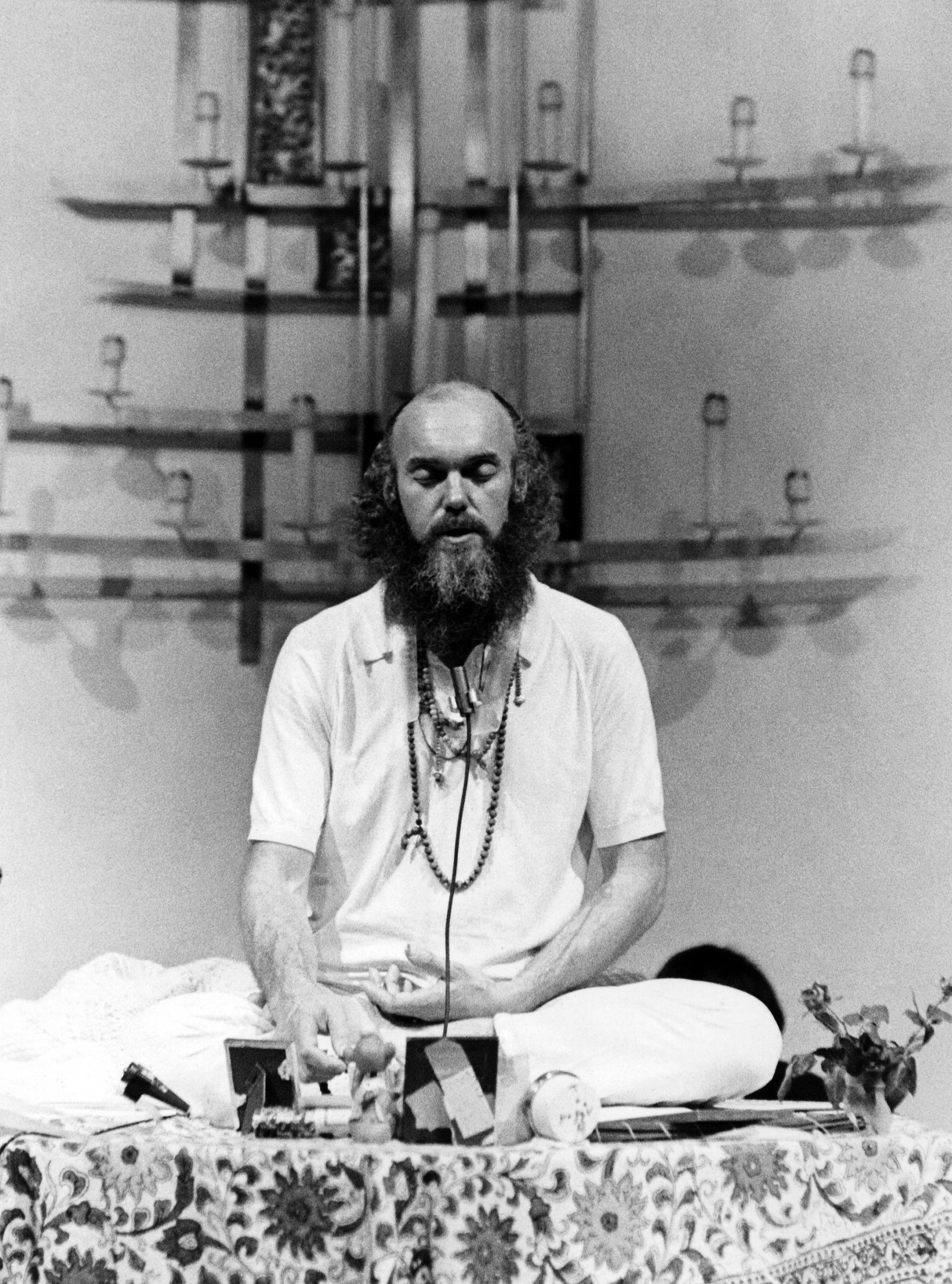
Harvard psychology professor Richard Alpert after he took LSD and remaned himself Ram Dass
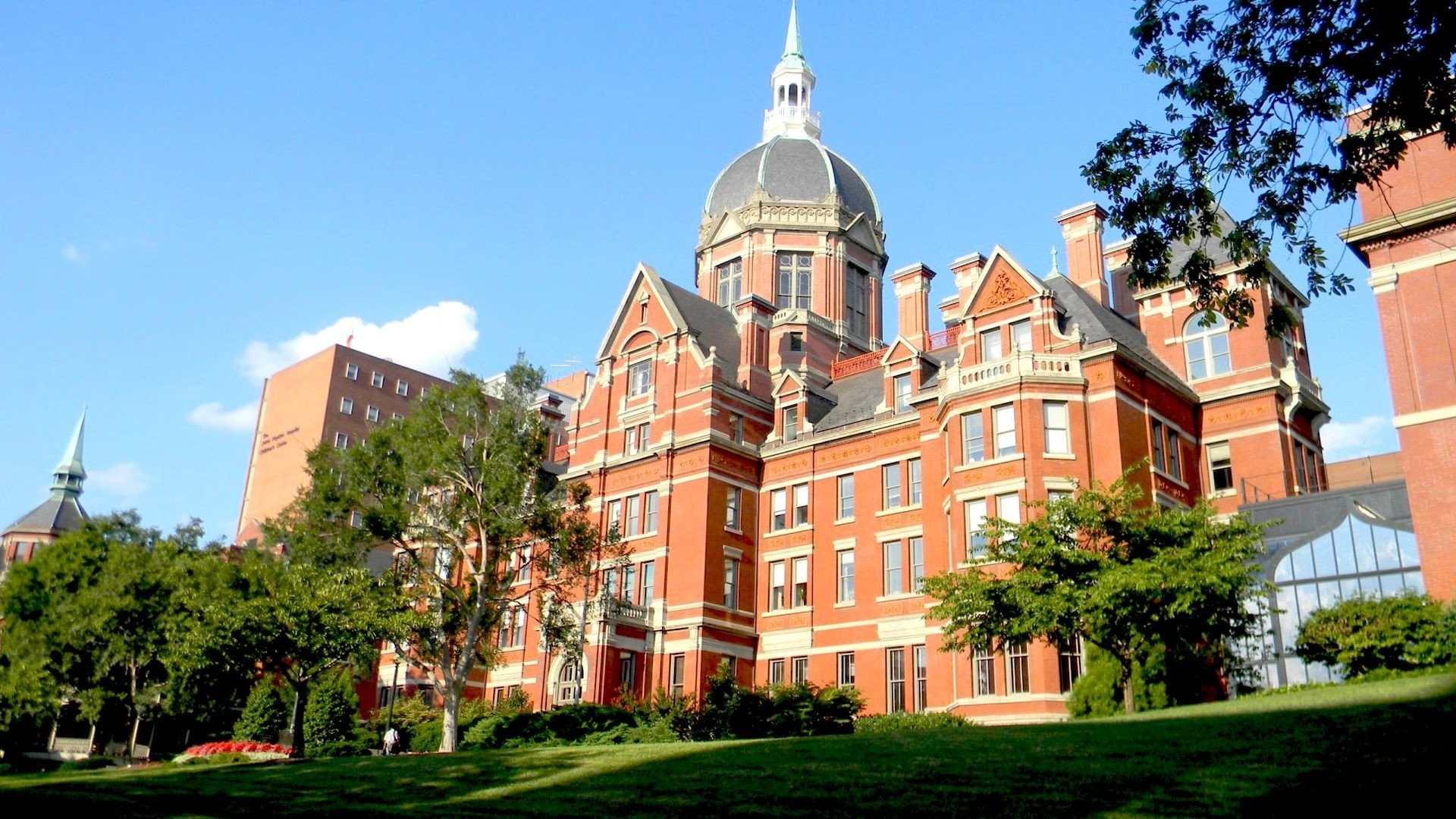
Dr Bill Richards is a staple of the modern-day mystery school researching psychedelics. He’s worked alongside Abraham Maslow, Stanislav Grof, Walter Pahnke and more. Now installed at the Johns Hopkins Centre for Psychedelic and Consciousness Research, he passed trade secrets on to Vital students.
Week four lecturer Dr Bill Richards volunteered for LSD testing as a restless theology student in post-WW2 Germany. He began working alongside Hanscarl Leuner, the German psychologist who invented Guided Affective Imagery (a perverse form of which was used in the brainwashing sequence of A Clockwork Orange), plus added both art and group therapy to LSD tests.
Air provides anoverview of approaches to psychedelic use,Fireconcerns therapeutic applications,Watercovers ‘space holding’ – the art of keeping it together, Earthis where you’ll find medical matters, and Etherdiscussesintegration, the processof bringing psychedelicpower intoregularlife.
Next issue:The real ‘new psychonaut’ London’s Dr David Luke reboots transpersonal psychology for the 22nd Century
It’s okay to get the giggles says the space’s most storied therapist
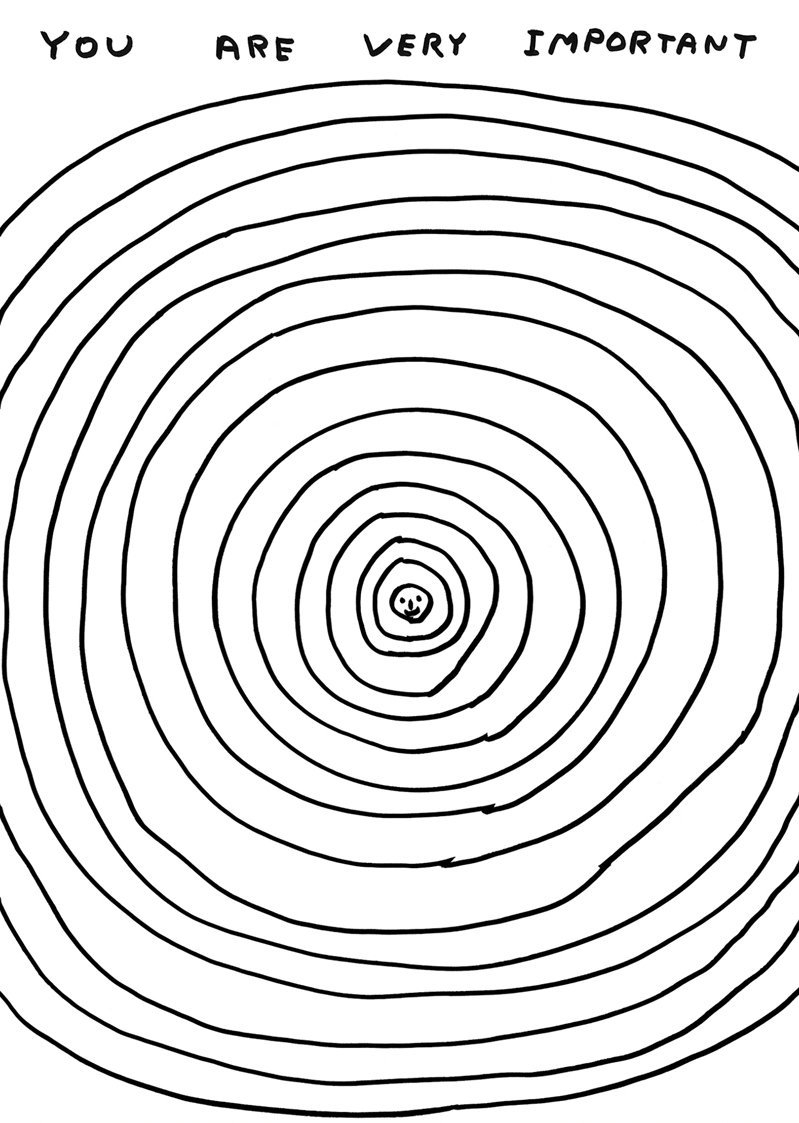
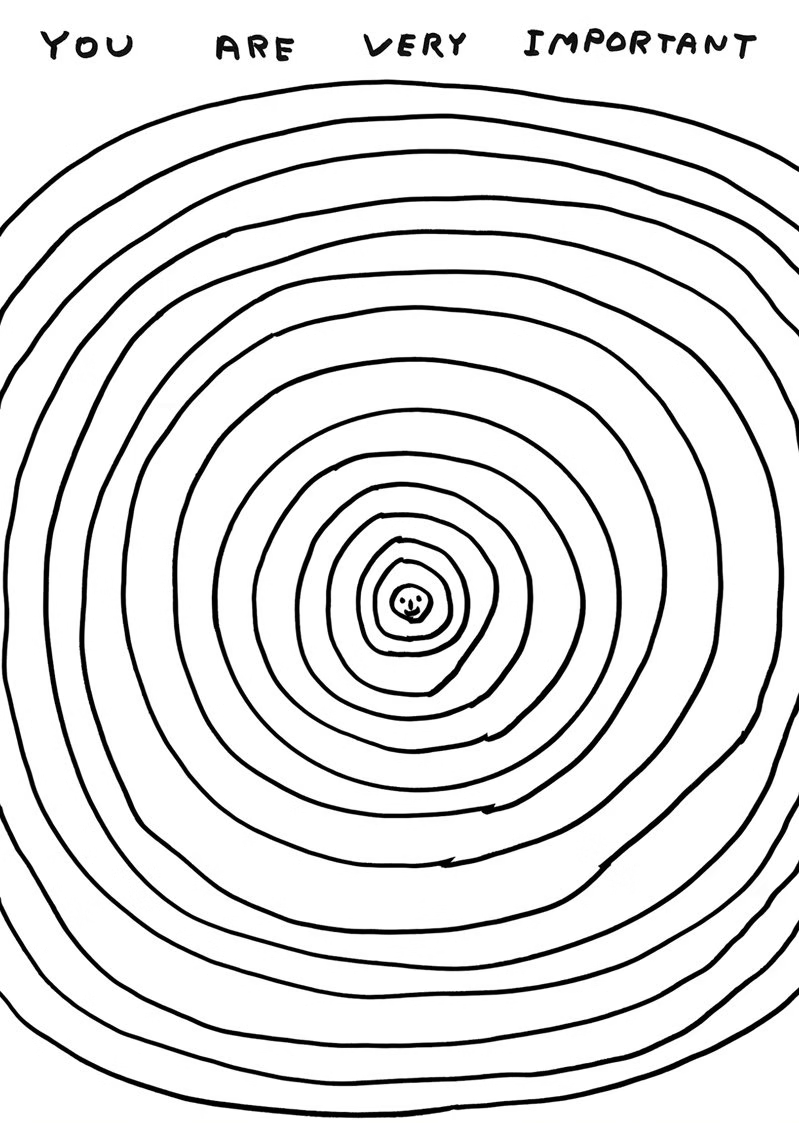
David Shrigley, ‘You are Very Important’
It’s okay to have a chuckle, or a cry, ‘in ceremony’. We could all probably do with one.
“Some patients have an intuitive understanding of the transcendent. Some just giggle,” says Dr Richards.
“For many of us intellectualisation is our primary form of armouring,” continues the seasoned psychedelic therapist, “tell participants to appreciate their thinking minds, but let themselves go out and play. See your patient going through states of wisdom, vulnerability…” and be prepared for pranksterism. The voyager might not be feeling especially mystic today, and that’s their prerogative. “A playful experience may actually be what’s needed,” says Richards. The god of laughter deserves reverence also.
“We are primarily dealing with human consciousness, a meaningful process unfolding from within”
Reverence is appropriate to tradition, but welcome to the aeon where do what we wilt, not least out of necessity. Fortune favours the brave: the two-guide format, for example, began because researchers couldn’t hold their subject’s hand and change the record on the turntable at the same time. There’s an anecdote that might get you some laughs in over-intellectualising psychedelic circles.
Psychedelic therapy sets the stage for new life to flourish
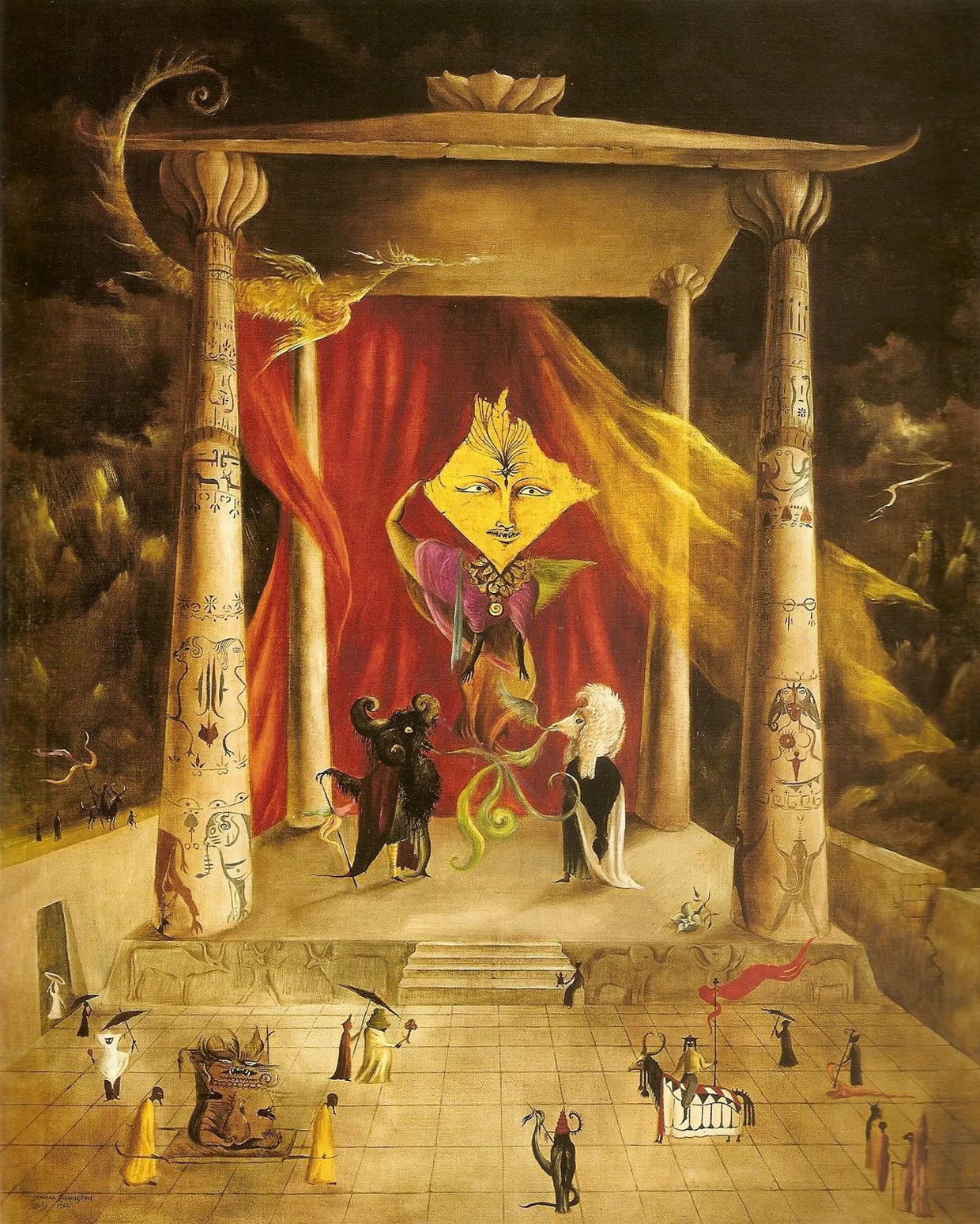
Leonora Carrington, ‘The Temple of the Word’
The psychedelic therapist offers presence, but doesn’t require reporting on behalf of the client. “At a very high dose, we are beyond words anyway,” advises Dr Richards.
Guides are “like midwives, they create a container” to encourage the voyager’s “own choreography of the experience.”
Voyagers should be prepped to “dive into the pupil of the monster” lest one pounce from the shadows of their psyche. Challenging experiences are actually quite unusual (only 40% of users say they’ve had ever one) but “we all have our cross to bear – our trauma” reminds Dr Richards.
“We are primarily dealing with human consciousness,” says the Maryland and Spring Grove veteran, “a meaningful process unfolding from within.” He says objects to examine and inspire, personal or otherwise, can be offered to the voyager who appears inquisitive.
“We are primarily dealing with human consciousness”
Guides practising in legally permitted conditions from my study group say music is a fine changer of mood, especially with those who may have difficulty expressing their mystical sides. These “external routes to mystical consciousness” as Dr Richards dubs them, like the rose bud of lost era lore, or family photos used by silver age guides, can ‘make the energy dance’ like Alfred North Whitehead suggested. Suddenly everything is important, but somehow irrelevant, and both are absolutely fine. Unless they’re not.
“Philosophy is the self-correction by consciousness of its own initial excess of subjectivity,” wrote Whitehead in Process and Reality: An Essay on Cosmology, “[it] may not neglect the multifariousness of the world — the fairies dance, and Christ is nailed to the cross.“ Quite.
Issue #4: My weekly unofficial Vital Student Zine features observations from the course and beyond
Harvard psychology professor Richard Alpert after he took LSD and remaned himself Ram Dass
Dr Bill Richards is a staple of the modern-day mystery school researching psychedelics. He’s worked alongside Abraham Maslow, Stanislav Grof, Walter Pahnke and more. Now installed at the John Hopkins Centre for Psychedelic and Consciousness Research, he passed trade secrets on to Vital students.
Week four lecturer Dr Bill Richards volunteered for LSD testing as a restless theology student in post-WW2 Germany. He began working alongside Hanscarl Leuner, the German psychologist who invented Guided Affective Imagery (a perverse form of which was used in the brainwashing sequence of A Clockwork Orange), plus added both art and group therapy to LSD tests. Richards went on to become the most prolific psychedelic researcher of all time, working alongside Walter Pahnke, Abraham Maslow, Stanislav Grof, and now Roland Griffiths: he was last out of Spring Grove in 1977, first into the fledgling John Hopkins Centre for Psychedelic and Consciousness Research in 1999, and is still working today. His book Sacred Knowledge: Psychedelics and Religious Experiences is out now.
In the Zine this week, arranged in the synaesthesic schema used for Vital’s cirriculum:
Approach: Wisdom of the Human Mind
Therapy: Healing Power of Laughter
Space: Cosmic Midwifery
Medical:LSD – Did it Ever Go Away?
Integral: The WrongMysteries
Plus! Graph/Visual Aid of the Week and second hand books
Approach
The Wisdom of the Human Mind
The Center for Psychedelic and Consciousness Research at Johns Hopkins Medicine, Maryland USA
“I’ve learned to trust how wise the mind is, and how it brings things up the right way, at the right time,” says Dr Richards on the unpredictability of psychedelic experience.
Richards believes his methodist upbringing “saved” him from melting down when left alone in a 1963 testing chamber. His spiritual voyage was considered an intriguing anomaly at the time; other test subjects had indeed mimicked insanity when given LSD in an empty room with zero preparation for what may come.
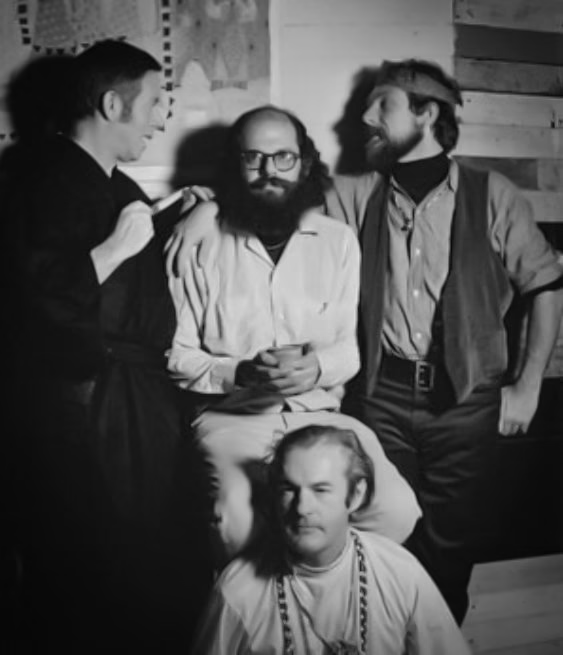
Schoolin’ around– (L to R) Alan Watts, Allen Ginsberg, Timothy Leary, and Gary Snyder at the Houseboat Summit in 1967
Richards only ever enjoyed one more trip on that level, his fifth, after he and Walter Pahnke devised ‘set and setting’, venturing into nature for the first time.
Richards certainly relishes the mystical aspect now considered key to significant psychedelic healing. Though he advises that “it’s not a dud if it’s not transcendental,” and what arises from the experience is “what needs to.”
Revelation can occur with eyes closed or open, when installed firmly on the couch wearing headphones or roaming through the wilderness… and whether the experience transcendent, farcial, wild, philosophical, relaxing or downright awful.
“This is the growing edge of spiritual development… we must condone knowledge”
The attitude best to prepare the voyager with is one of “courage, adventure, desire for development, and abandonment of personna,” says Richards.
In The Psychology of Money Morgan Housel points out that we all invest money with different reasons, tastes, and circumstances. Then we worry that we’re not doing what the other dude who’s supposedly doing it totally right is doing.
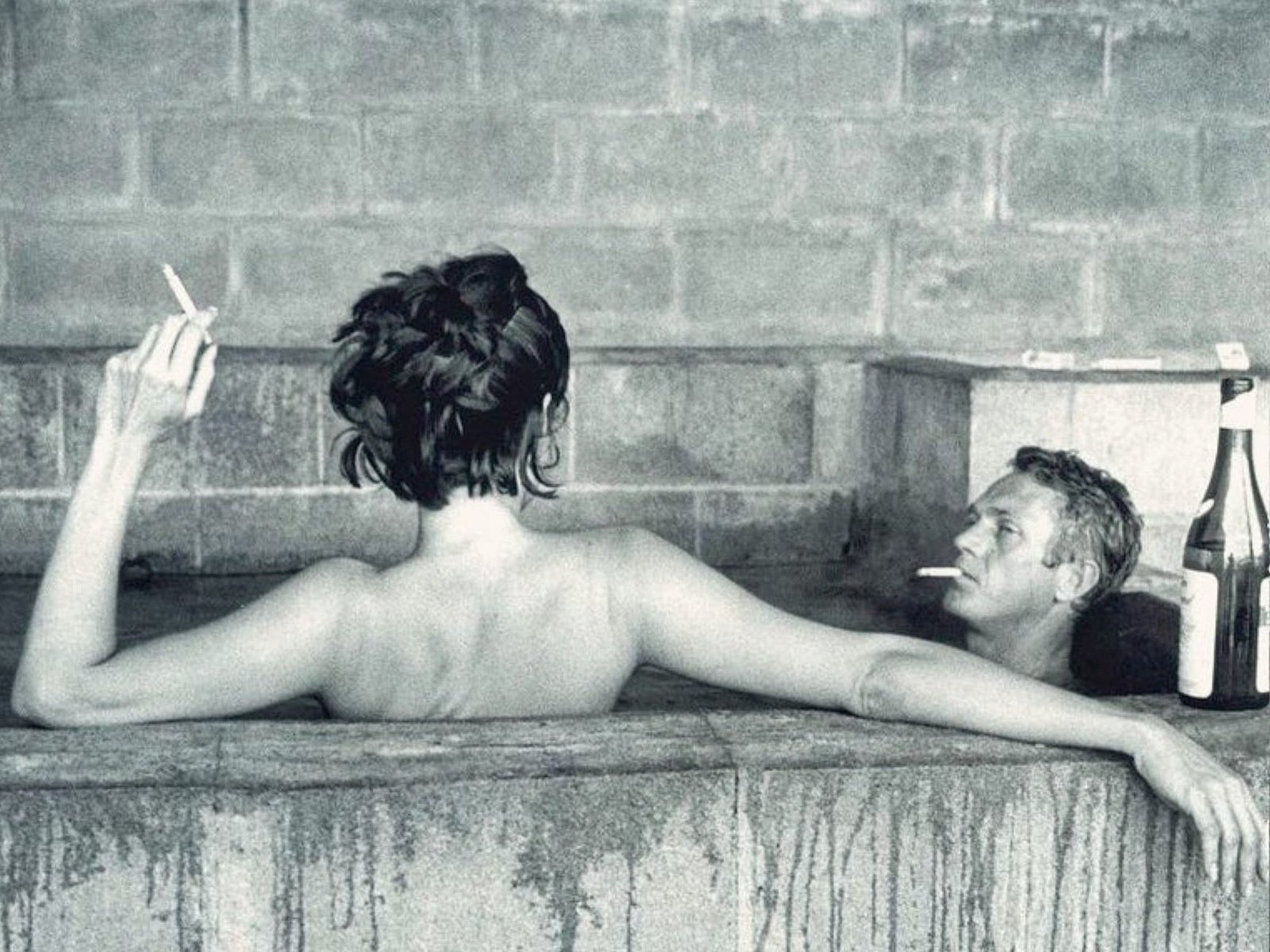
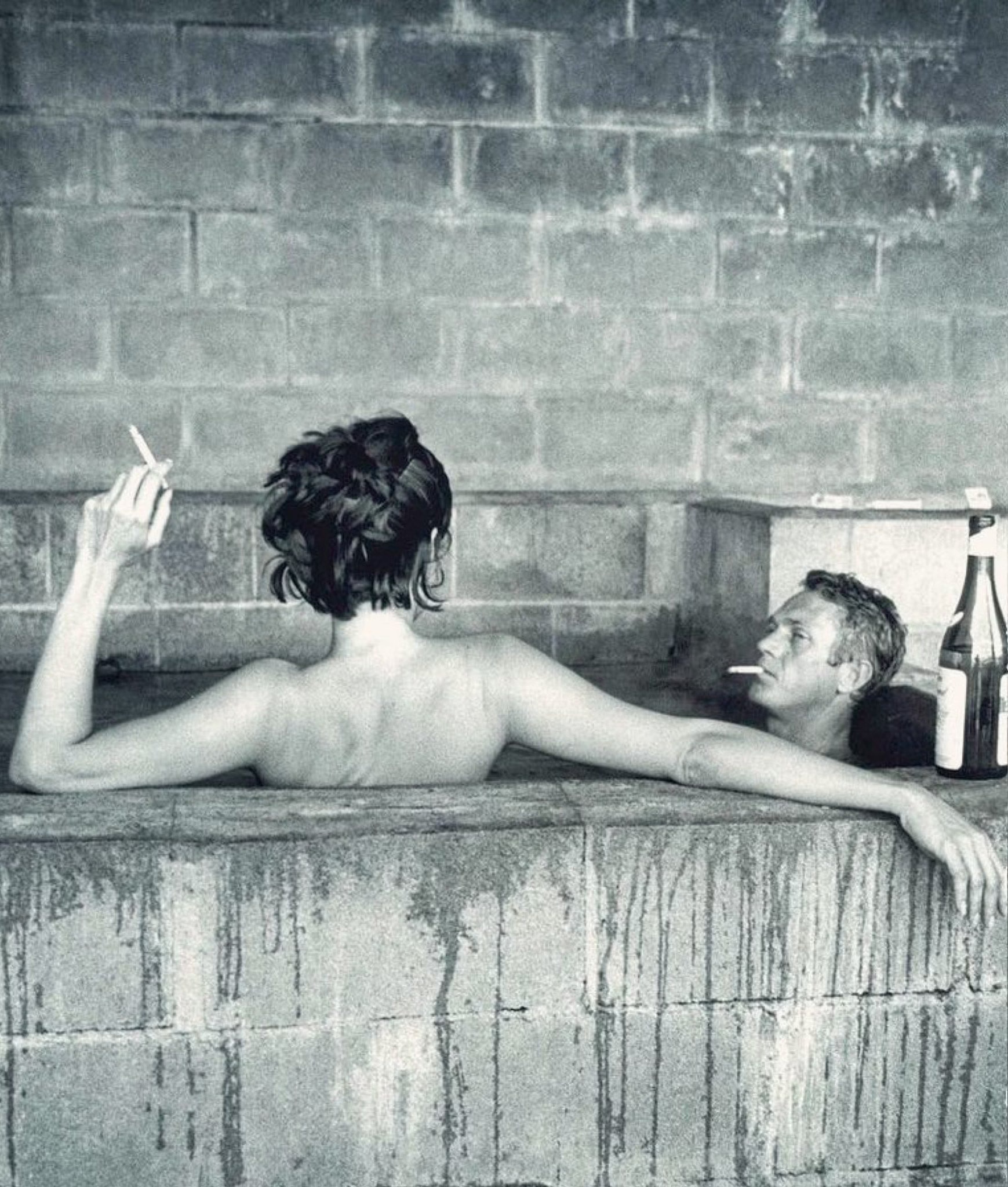
Steve McQueen and Nelie Adams in the steam rooms at Esalen
To some, guiding individuals towards their own neo-shamanic state is glib at best and dangerously foolhardy at worst. But the most experienced western psychedelic therapist of the past sixty years says, “This is the growing edge of spiritual development. The Western World has brought many positive innovations to the experience, and we must condone knowledge.”
Therapy
Healing Power of Laughter
David Shrigley, ‘You are Very Important’
It’s okay to have a chuckle, or a cry, ‘in ceremony’. We could all probably do with one.
“Some patients have an intuitive understanding of the transcendent. Some just giggle,” says Dr Richards.
“For many of us intellectualisation is our primary form of armouring,” continues the seasoned psychedelic therapist, “tell participants to appreciate their thinking minds, but let themselves go out and play. See your patient going through states of wisdom, vulnerability…” and be prepared for pranksterism. The voyager might not be feeling especially mystic today, and that’s their prerogative. “A playful experience may actually be what’s needed,” says Richards. The god of laughter deserves reverence also.
“We are primarily dealing with human consciousness… a meaningful proces unfolding from within”
Reverence is appropriate to tradition, but welcome to the aeon where do what we wilt, not least out of necessity. Fortune favours the brave: the two-guide format, for example, began because researchers couldn’t hold their subject’s hand and change the record on the turntable at the same time. There’s an anecdote that might get you some laughs in over-intellectualising psychedelic circles.
Space
Cosmic Midwifery
Leonora Carrington, ‘The Temple of the Word’
Guides are “like midwives, they create a container” to encourage the voyager’s “own choreography of the experience.”
The guide offers presence, but don’t require reporting. “At a very high dose, we are beyond words anyway,” advises Dr Richards.
Voyagers should be prepped to “dive into the pupil of the monster” lest one pounce from the shadows of their psyche. Challenging experiences are actually quite unusual (only 40% of users say they’ve had one) but “we all have our cross to bear – our trauma” reminds Richards.
“We are primarily dealing with human consciousness,” says Dr Richards, “a meaningful proces unfolding from within.” He says objects, personal or otherwise can be offered to the voyager who appears inquisitive.
“At a very high dose, we are beyond words anyway.”
Guides practising in legally permitted conditions from my study group say music is a fine changer of mood, especially with those who may have difficulty expressing their mystical sides. These “external routes to mystical consciousness” as Richards dubs them, like the classic rose bud or family photo used by silver age guides, can ‘make the energy dance’ like Alfred North Whitehead suggested. Suddenly everything is important, but somehow irrelevant, and both are absolutely fine. Unless they’re not.
“Philosophy is the self-correction by consciousness of its own initial excess of subjectivity,” wrote Whitehead in Process and Reality: An Essay on Cosmology, “[it] may not neglect the multifariousness of the world — the fairies dance, and Christ is nailed to the cross.“ Quite.
Medical
Everything you need to know about this season’s essential LSD revival trend
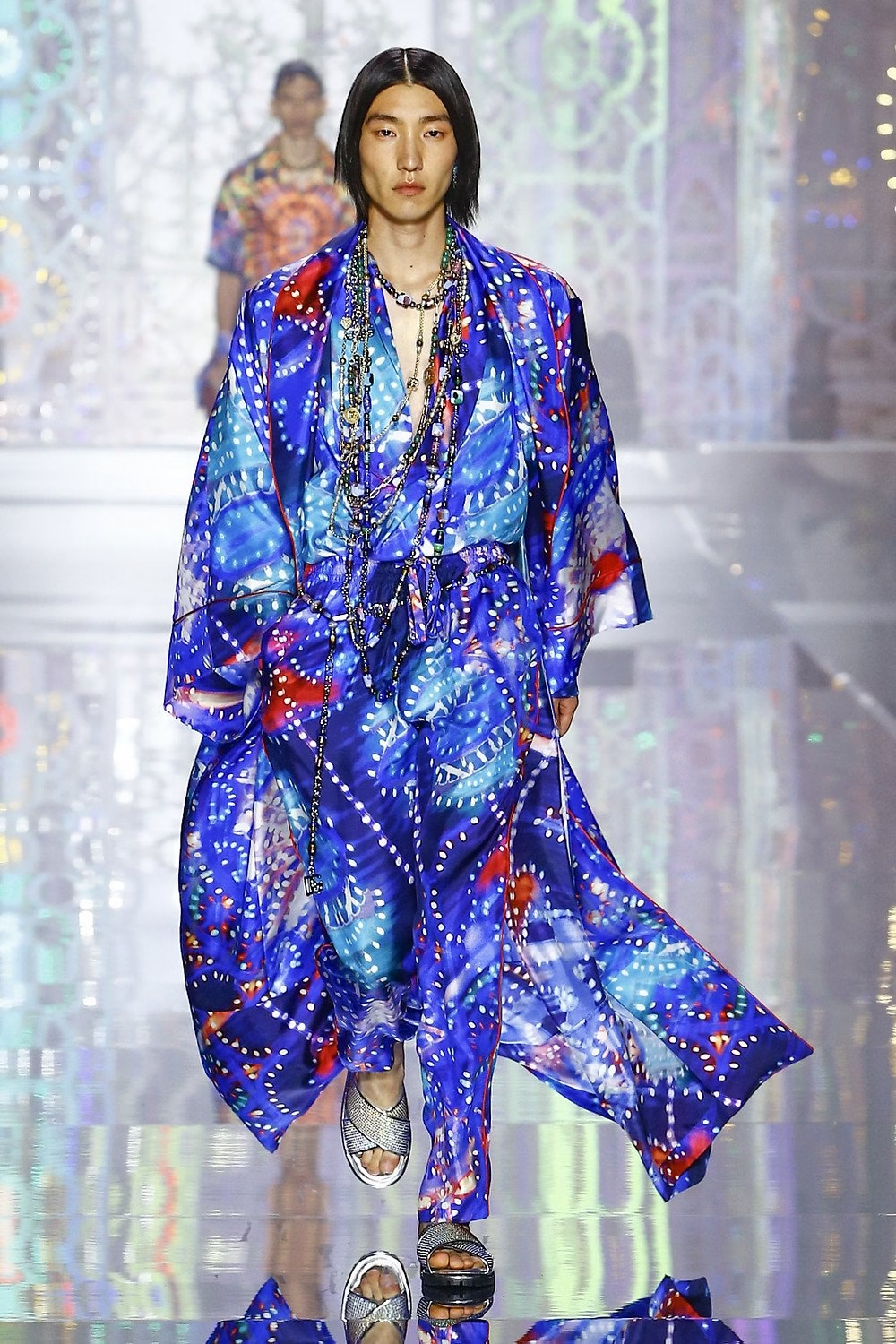
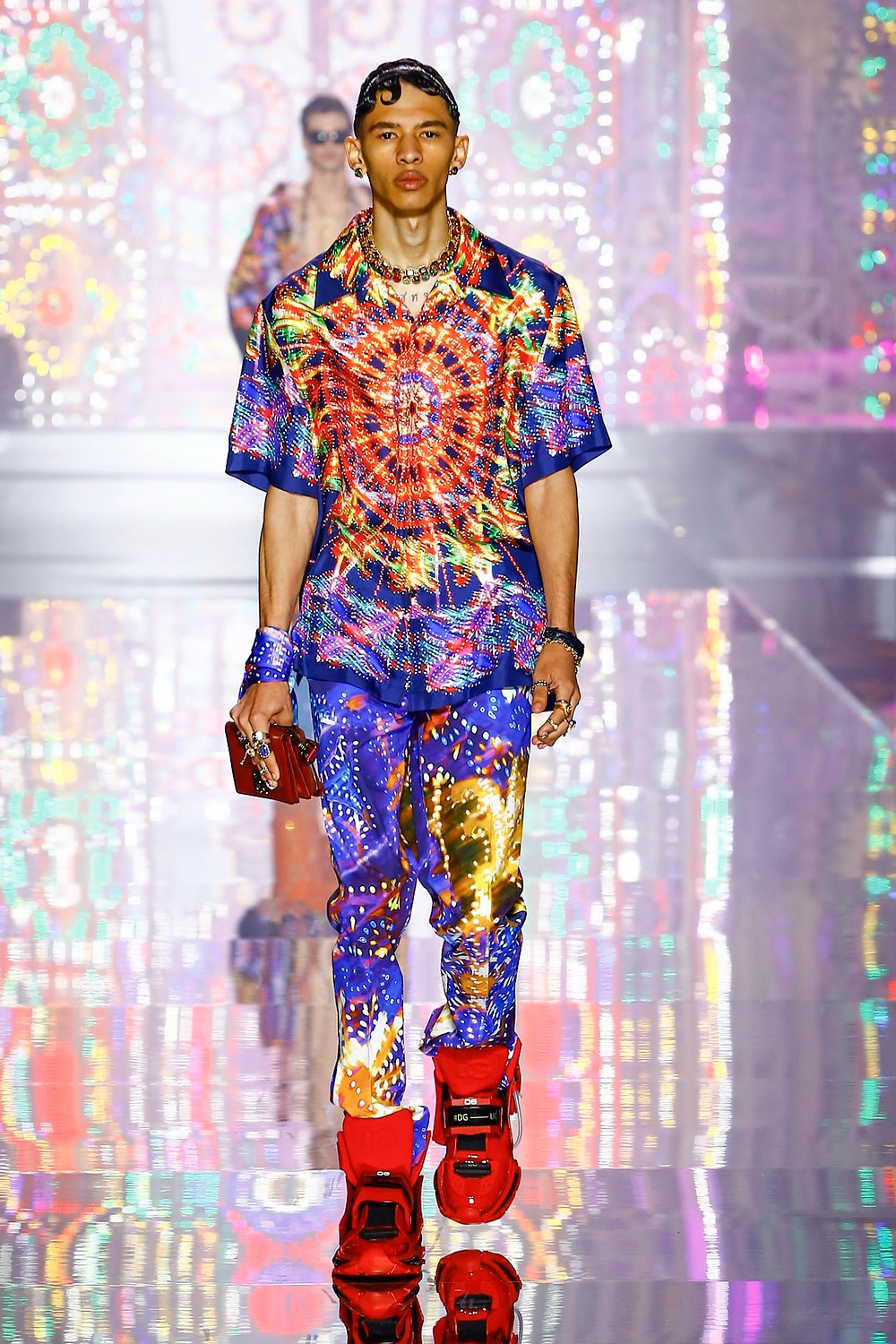
Dolce & Gabbana men’s spring/summer ‘22 collection catwalk show
The psychedelic renaissance wrote LSD off as impractical, fuddy-duddy, and just so, like long as to be downright subversive. But Sandoz-25 is back in style and the ouroboros eats its tail again.
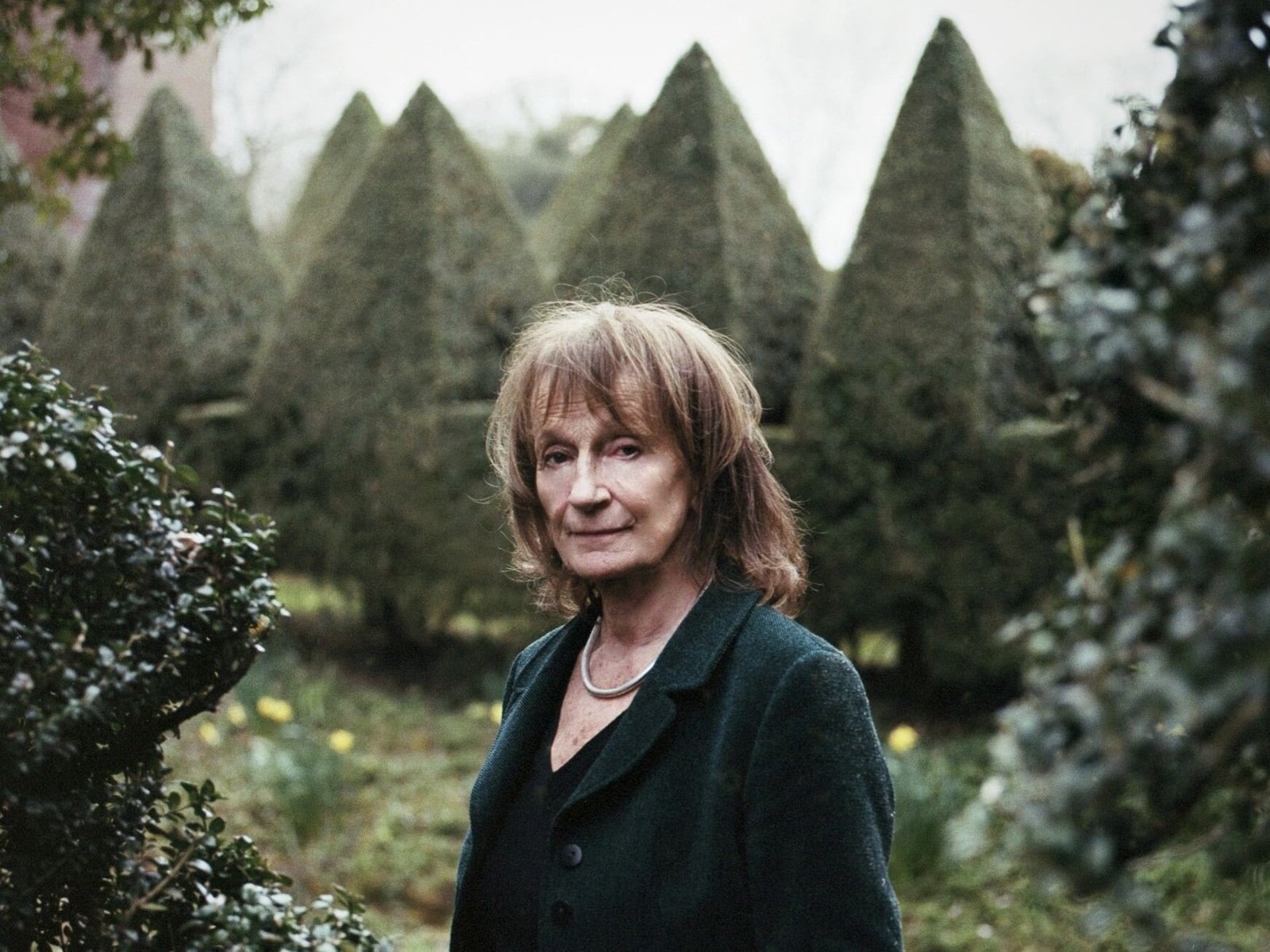
“To my mind, LSD is the best, the purest” declared Beckley Foundation’s Lady Amanda Fielding at the 2022 Psych Summit held at London’s National Gallery.
After all only the bohemian elite would have the time, right? And time is money more than ever before (usual disclaimers re: existence and/or nature of time). One shudders to think that LSD is the new jetset drug of choice. Beckley are actually conducting the first serious test into microdosing with LSD. The old fave has also found favour with the restless rabble. MindMed’s stage two tests for ADHD are underway at 20µg of LSD per week, hot on the heels of its success with LSD for anxiety. MindMed’s base of Switzerland is the home of LSD after all.
Dolce & Gabbana men’s spring/summer ‘22 collection catwalk show
Meanwhile, Milanese glamour power house Dolce & Gabbana offers the tripwear of choice for sartorial psychonauts in its spring/summer 2022 menswear collection. See you at the sample sale.
I n t e g ra l
The WrongMysteries
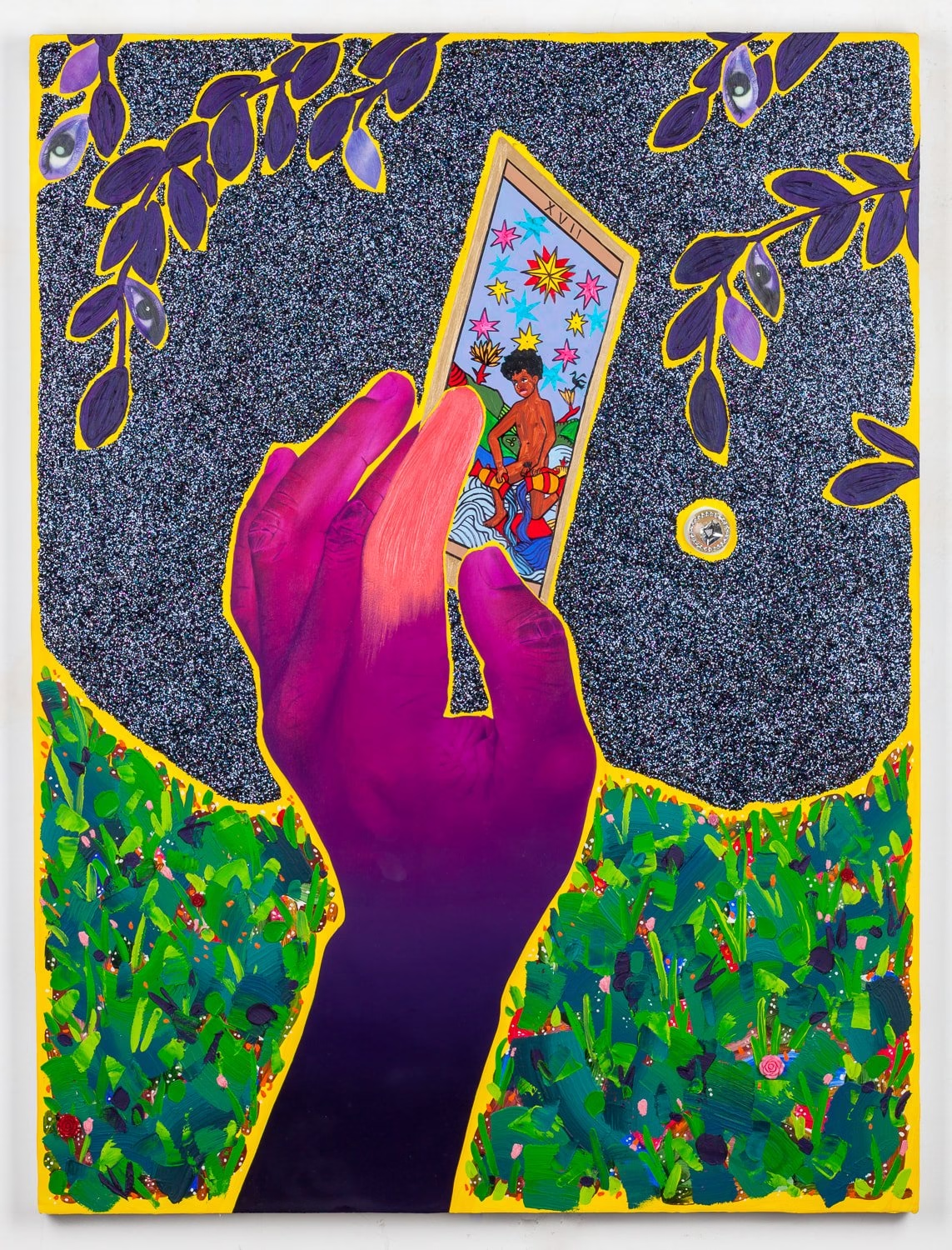
‘The Star’ by Devan Shimoyama available here
What is a mystery school? Are we in one now? Should we be? And what are we doing there?
The ‘Mystery School’ is a heartfelt trope amongst some psychedelic users. It evokes not only the acceptance that us ‘remarkable’ former children of ‘unremarkable parents’ (er, Miller 1996) crave, but also a comforting sense of relevance – that we, and not the suits, are actually directing things from behind the scenes. After all, the ‘Illuminati’ pyramid-with-an-eye-on-it which appears on dollar bills was pinched off Martin Luther by the esoteric protestants under England’s Queen Elizabeth the First, hence its shadowy undertones. Cliquiness is unchracteristically intrinsic to psychedelic experience: from the in-crowds at Euleusis and the Platonic Academy through to Esalen and the 21st century Tyringham Initiative, to the “it’s only us tripping” bond between pre-acceptance users and the current impulse to put a gatekeeper on ‘shamanism’.
Students are undertaking ‘Diversity, Inclusion and Cultural Competence Tutoring’ as part of Vital. In the interests of silence being violence, I don’t feel it’s inappropriate for me to experience shame – the actually uncomfortable, ‘only way out is through’ kind – having enjoyed many benefits of multicultural society, let alone colonialism, with none of the drawbacks the people of colour around me faced (you don’t have to agree with that). And if it helps the Vital student body feel safer with, and closer to, each other then it’s a monster I’ll enthusiastically “dive into the pupil of” as Dr Richards puts it. So far this actually seems like it has worked. Which is fantasic.
“For many of us, intellectualisation is our primary form of armouring”
I do try, in my white way, to engage friends in this conversation. They’ll certainly speak about their racial experience in the UK, and sometimes painfully in that deadpan way that makes the aside so much more shocking. But their tales are personal, because it’s a personal conversation. These valuable monologues end with “you know me, Steve, I’m not going to give you the narrative” which is exactly the sort of thing I’d bloody say. Squirming on my part has been met at least once by satisfied laughter and V-signs. This fragile white man will not be given closure via his intellectualised debate, and is sobered instead by the serene sort of first hand testimony that the righteous deliver so gracefully.
Vital brought in next-gen ‘Diversity, Inclusion and Cultural Competence Tutoring’. The lead facilitator was novellist and psychologist Ayize Jama-Everett. He wrote The Entropy of Bonesan existential martial arts novel, so had me at that. If you’re reading this Ayize we can nerd out on all this any time here’s my email. Jama-Everett was keen to distance the programme from what we know as ‘diversity training’. His team’s approach is founded in work around differing, unsaid aproaches amongst multicultural communities, which is actually necessary and courageous work.
Obviously there are differences in the American conversation – nobody in US race training mentions the excesses of the Raj, for example. Very few British people of colour descended from slaves; instead they emigrated to post-war Britain, brimming with optimism, to find a war-ravaged, poverty-stricken, tired and grey country that offered little welcome and sometimes outright hostility.
I actually do think that Western society is ‘institutionally racist’ (again you don’t have to agree) and was a bit embarrassed to find out that the approach wasn’t widely accepted. On the flip, I also think that the cultural cometence movement would benefit from communicating using less academic language. Dancing, playing sport and making love together I believe is the best way to begin healing the divides. But even spending meaningful, intimate time together is unlikely to confront the most difficult aspects of the matter. So I commend Jama-Everett for taking it on while admitting the drawbacks of the process, and gladly reward his bravery by taking part in the process despite it involving a challenging process for myself.
Now. Nicholas Spiers, a British expert on western interaction with indigeneous Amazonian peoples also headed up a lecture alongside talismanic thought leader Bia Labate. During a thorough truth-bombing about facile Western framing of Mazatec beliefs he pointed out that Marina Sabina, the shaman banker and mushroom pioneer Gordon Wasson brought to international recognition with his landlmark Life mag feature in the 1960s, had her house burned down by her neighbours for attracting too much police attention to the tradition. She died isolated and poor. Today her image is abused to market tourist traps. Hardly part of any mystery school, or renaissance.
To finish: trippy clippings, merry pranks, and psychedelic student life
Graph/visual aid of the Week
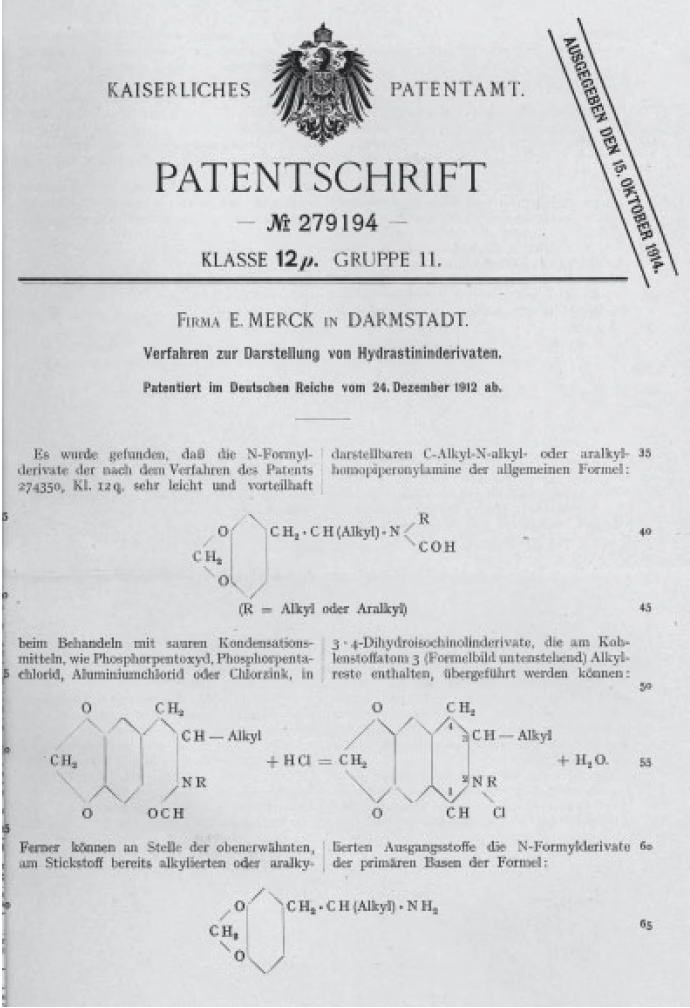
The first patent for MDMA
Merck, Germany, 1912
From: The Rave: Spiritual Healing in Modern Western Subcultures by Scott R Hutson (Anthropological Quarterly, January 2000)
My bookshelf weighs a ton
Notable new purchases for the occult library. Strictly second hand snap-ups only
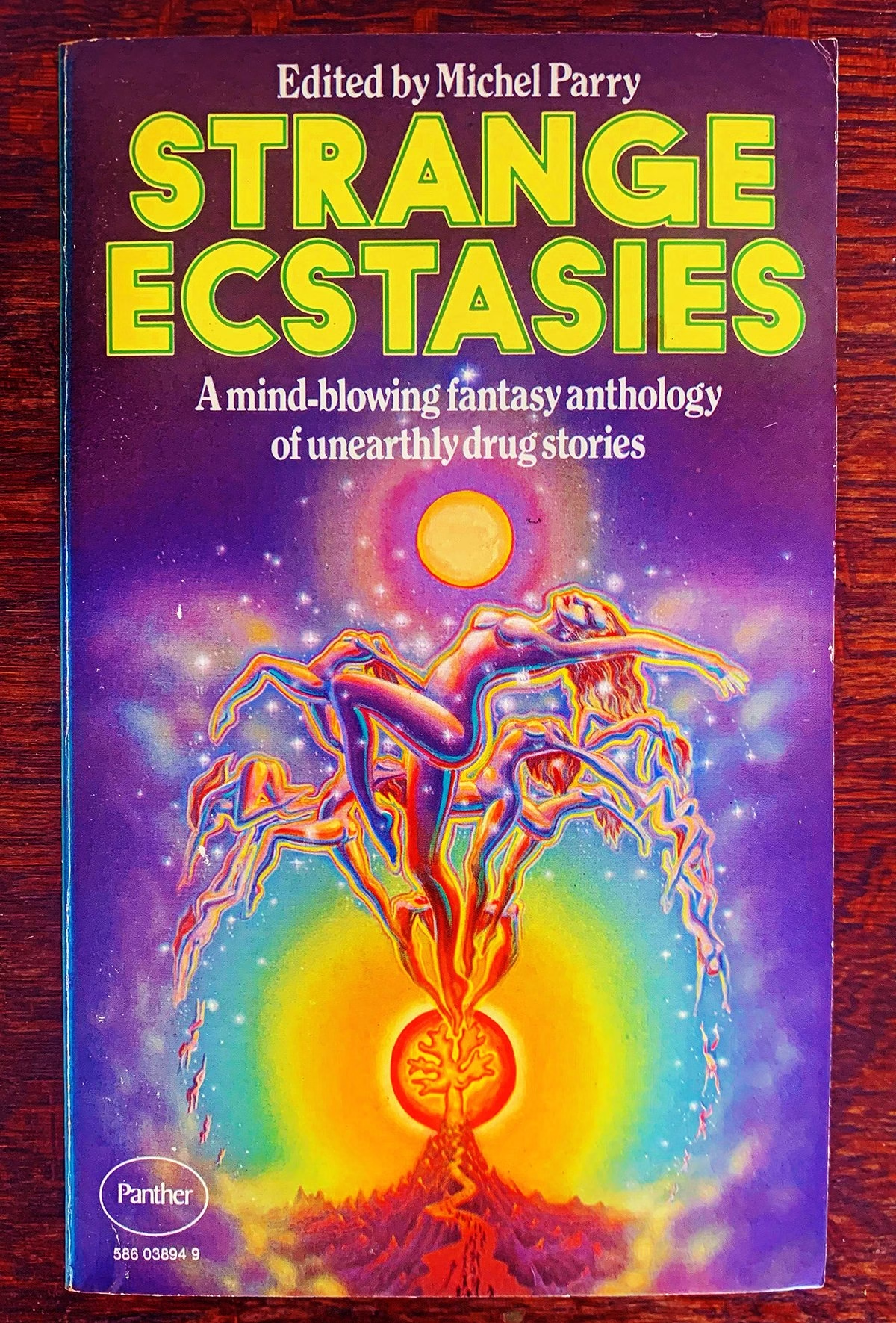
This week: Strange Ecstasies edited by Michael Parry
£25 usually £100+
Stories of space narcotics by major authors collected by druid of derring-do Michael Parry (d. 2014) , including The New Accelerator by H G Wells, Subjectivity by Norman Spinrad and What to Do Until the Analyst Comes by Frederik Pohl.
Plus a superb cover naturally.
If you like this sort of thing and haven’t read The Employees, a 2020 Booker Prize nominee by Danish author Olga Ravn, a ‘disconcertingly quotidian space opera’ (The Guardian), do so at light speed.
I can’t look at books like this without being hauntd by a sci fi short story about a co-ed college on a space station where the boys get these pets called teasels. I couldn’t find any reference to it online which was chilling in itself.
Next issue: London’s Dr David Luke talks transpersonal psychology and much more
This blog is not affiliated to Vital beyond my study on the course. The content shouldn’t be taken as representative as it’s a personal reflection and includes my own lived experience of the sector too.
Psychedelic drugs are prohibited in the UK, other countries and most US states. I do not condone their use, neither am I evangelising for, or recommending them to you. There are more qualified people you can turn to in the Resources section but if you are considering psychedelic treatments the best person to speak to is probably your own therapist, counsellor, or doctor.